Journal · · By Di Lorenzo Custom Apparel
Black tie, black tie optional, cocktail: what men should wear
Dress codes on invitations are meant to help, but half of them leave guests guessing. What's the difference between black tie and black tie optional? Is cocktail attire a suit? Here's a plain guide to what men should wear for each of the common codes, at weddings, galas and events around Dallas.
Men's dress codes at a glance
Men's dress codes run from white tie, the most formal, through black tie, black tie optional, formal, cocktail and semi-formal to dressy casual. Each one is explained in more detail below.
| Dress code | What it means | What a man wears | Tie |
|---|---|---|---|
| White tie | The most formal dress code, and the rarest | A black tailcoat, matching trousers with satin braid, a white wing-collar shirt and a white waistcoat | A white bow tie |
| Black tie | A tuxedo, traditionally for evening events | A tuxedo in black or midnight navy, a white dress shirt and black patent or highly polished black shoes | A black bow tie |
| Black tie optional | The hosts will be in black tie, but a suit is acceptable | A tuxedo, or a dark, formal suit in navy, charcoal or black with a white shirt and polished black shoes | A black bow tie with a tuxedo, a conservative tie with a suit |
| Formal | Sits around black tie optional | A tuxedo is welcome; a dark suit is the minimum | A tie, at least |
| Cocktail | A suit and, usually, a tie | A suit in mid-grey, blue, a subtle pattern or a lighter color for a daytime or summer event | Usually |
| Semi-formal | A suit, with the tie depending on the time of day | A darker suit for an evening event, a lighter suit for a daytime one | Yes in the evening; optional in a relaxed daytime setting |
| Dressy casual | No suit required, but no jeans and T-shirt either | A sport coat with trousers and a collared shirt | Optional |
White tie
White tie is the most formal dress code, and the rarest. White tie means a black tailcoat, matching trousers with satin braid, a white wing-collar shirt, a white waistcoat and a white bow tie. You'll mostly see it at state occasions and a handful of very formal balls. If an invitation asks for white tie, take it literally.
Black tie
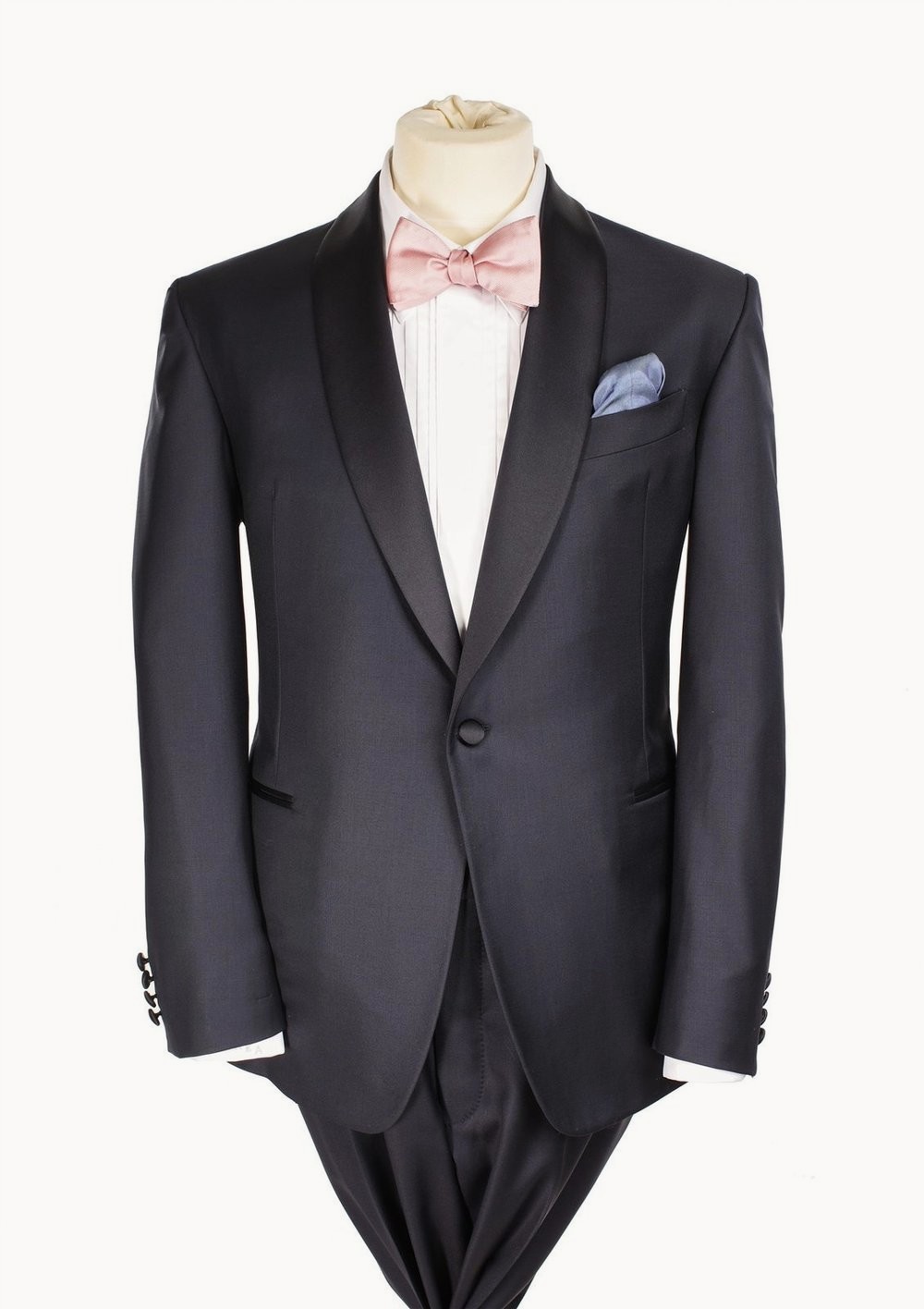
Black tie means a tuxedo. Specifically:
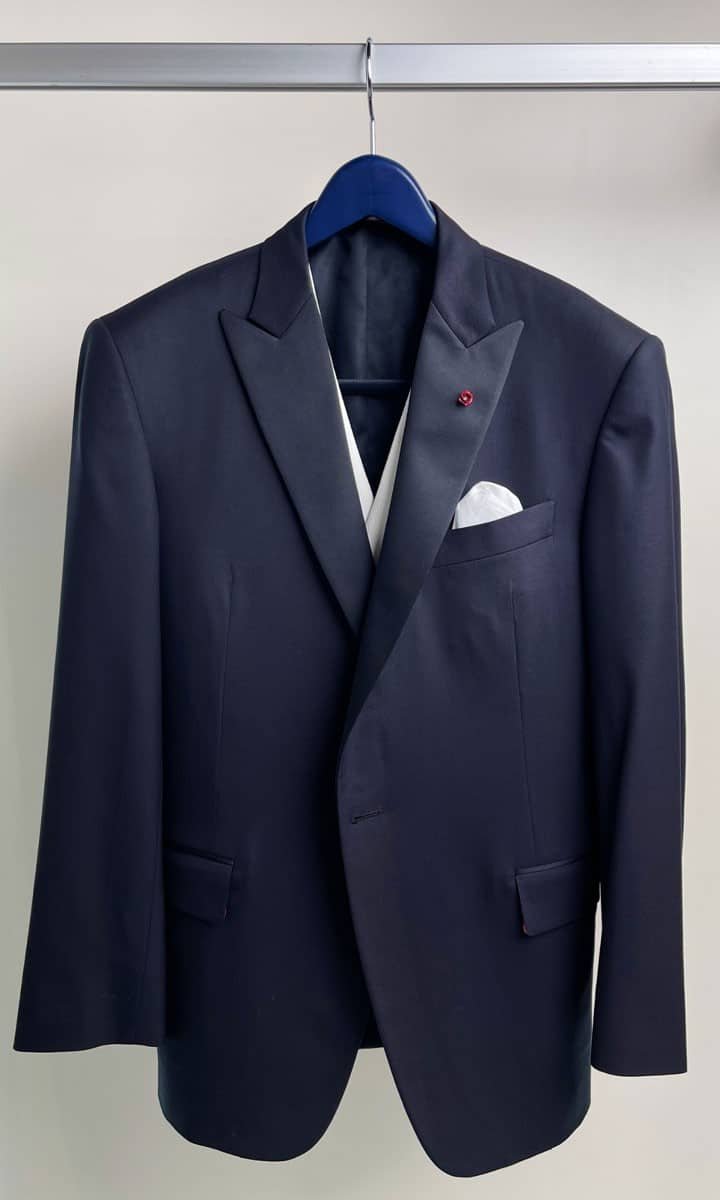
- A tuxedo jacket in black or midnight navy, with satin or grosgrain on the lapels. Shawl and peak lapels are both correct.
- Matching trousers, usually with a satin stripe down the leg.
- A white dress shirt, often with a pleated or plain front and studs or covered buttons.
- A black bow tie. Self-tied is the traditional choice.
- Black patent or highly polished black shoes.
- Optional: a cummerbund or a low-cut waistcoat to cover the waistband, plus cufflinks and a white pocket square.
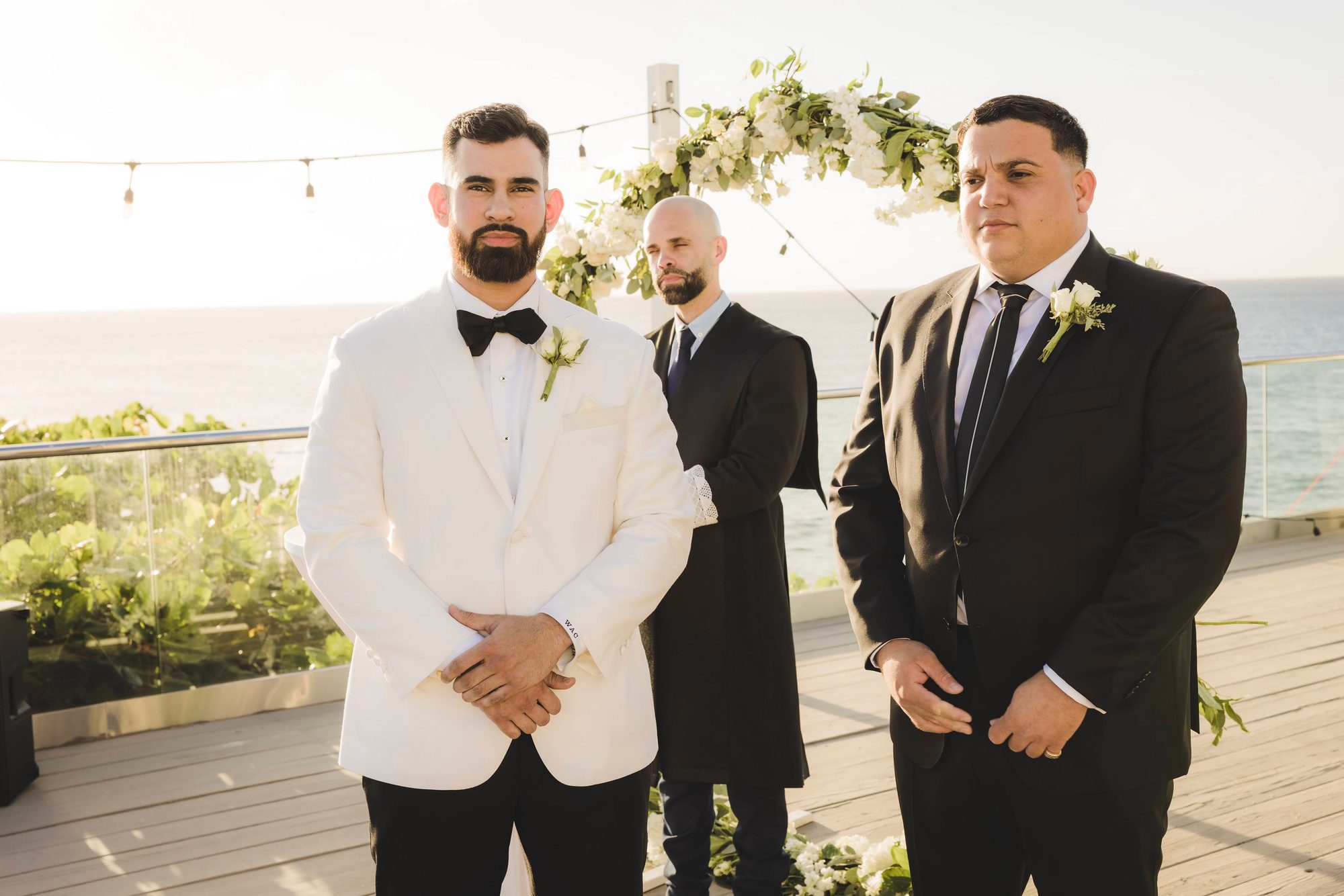
At warm-weather and outdoor evening events, an ivory or white dinner jacket with black trousers is a traditional alternative (see white vs black tuxedos). A dark suit, however good, isn't black tie. If the invitation says black tie, plan for a tuxedo. Our custom tuxedos page explains the options, and our guide to how to customize a tuxedo covers the lapel, the color and the details.
Black tie optional
Black tie optional means the hosts will be in black tie and would like you to be, but a suit is acceptable. A tuxedo is always correct. If you wear a suit, make it dark and formal: navy, charcoal or black, in a solid cloth, with a white shirt, a conservative tie and polished black shoes. This isn't the night for a light grey or a bold check.
If you go to a few black-tie and black-tie-optional events a year, owning a tuxedo that fits usually beats scrambling for one each time.
Formal
"Formal" sits around black tie optional. A tuxedo is welcome; a dark suit and tie is the minimum. For an evening wedding, lean toward the more formal end.
Cocktail attire
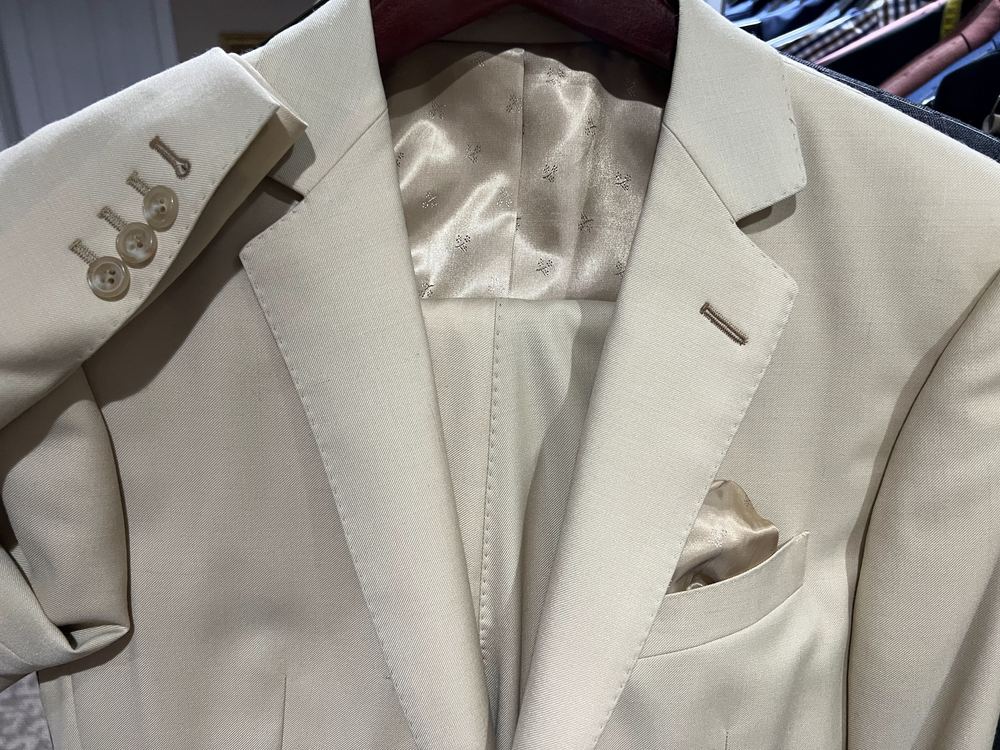
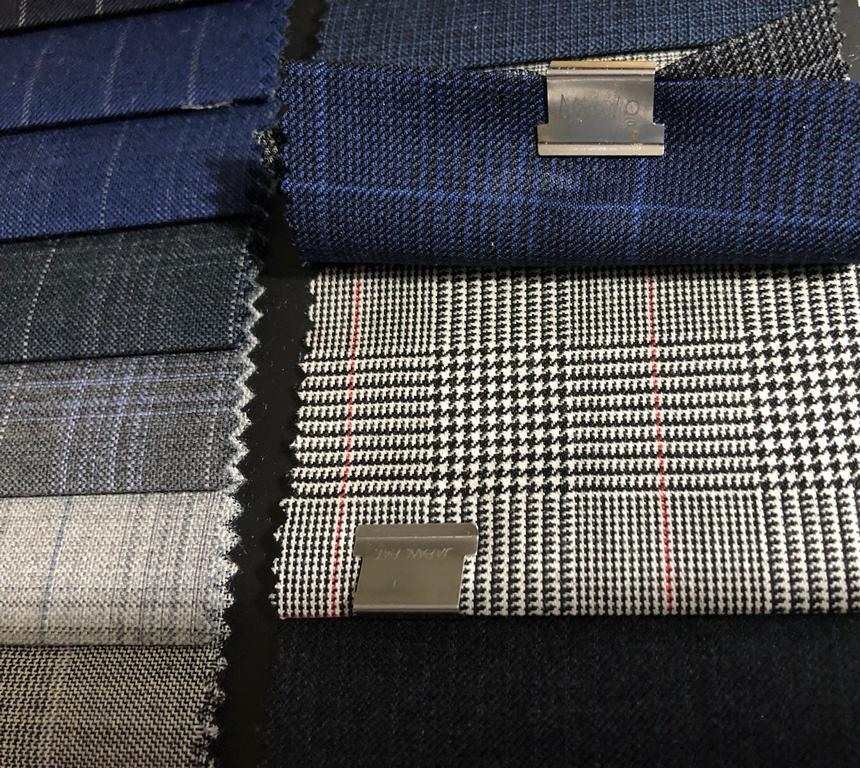
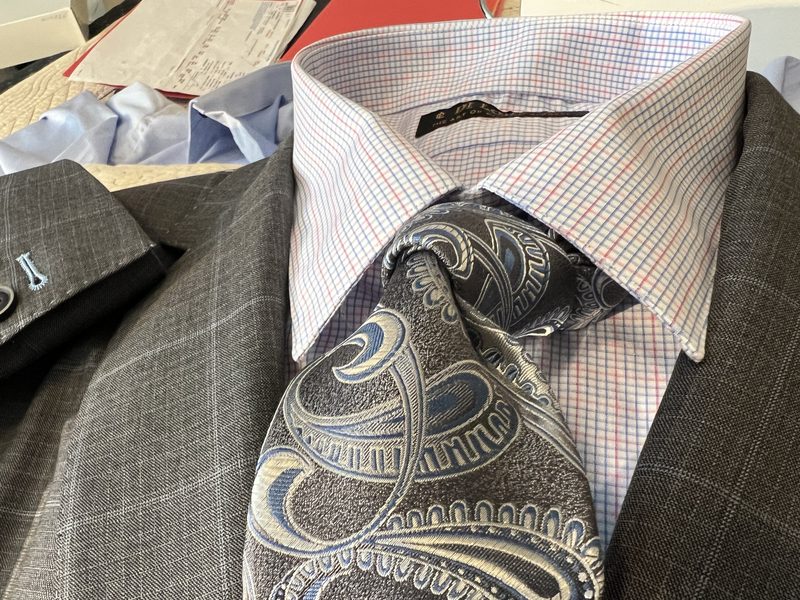
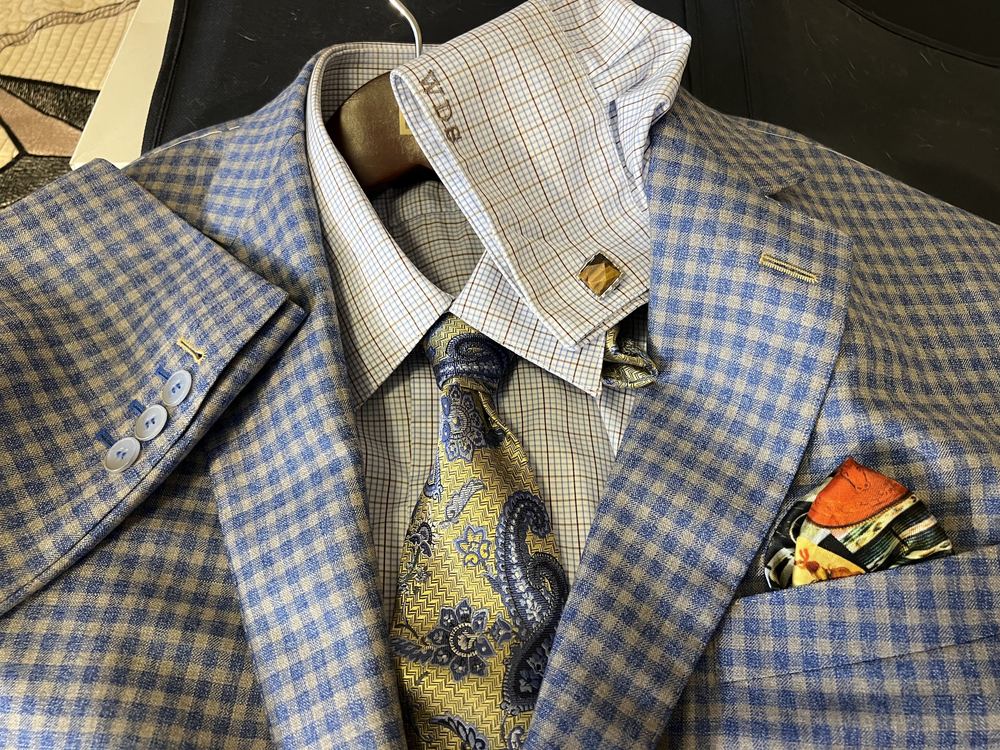
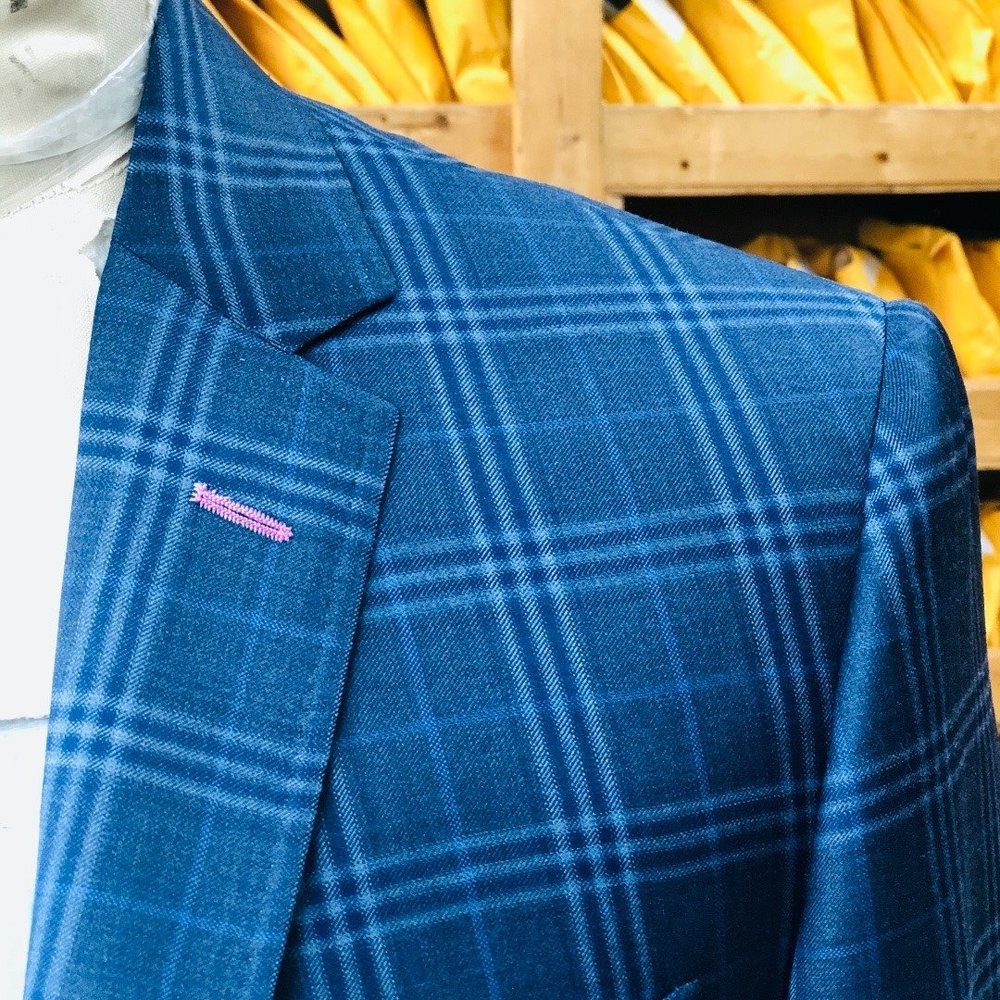
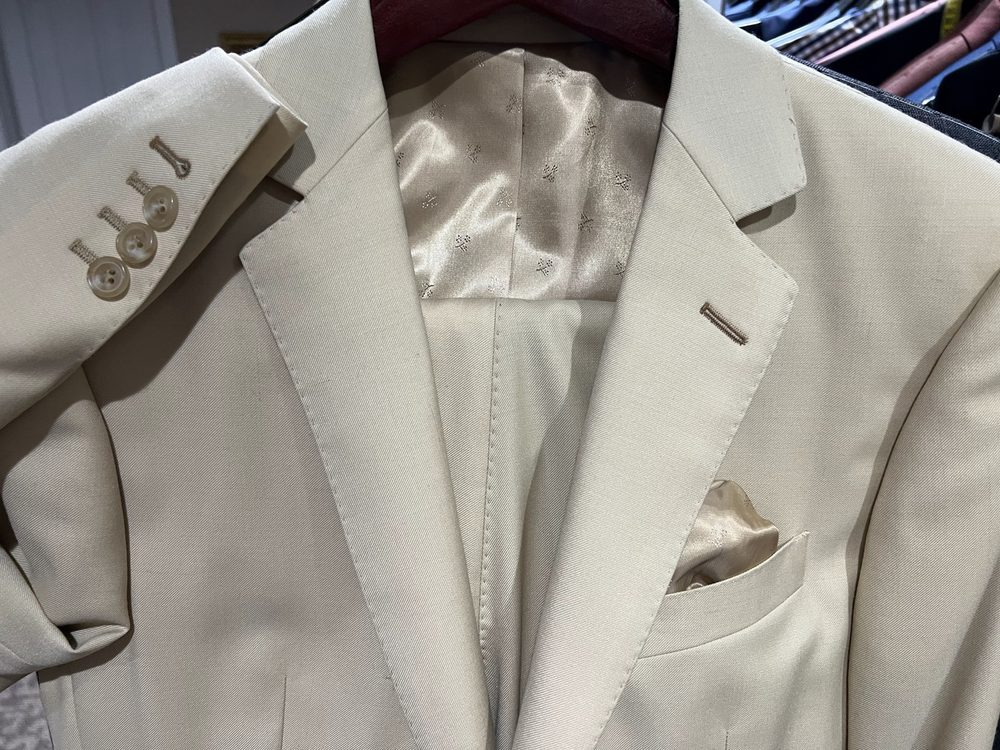
Cocktail attire means a suit and, usually, a tie. You have more freedom than with black tie: mid-grey, blue, a subtle pattern or a lighter color for a daytime or summer event. A well-fitted suit with a good shirt and a tie is the safe choice. For a more relaxed cocktail party, a sport coat and trousers can work, but a suit is rarely wrong.
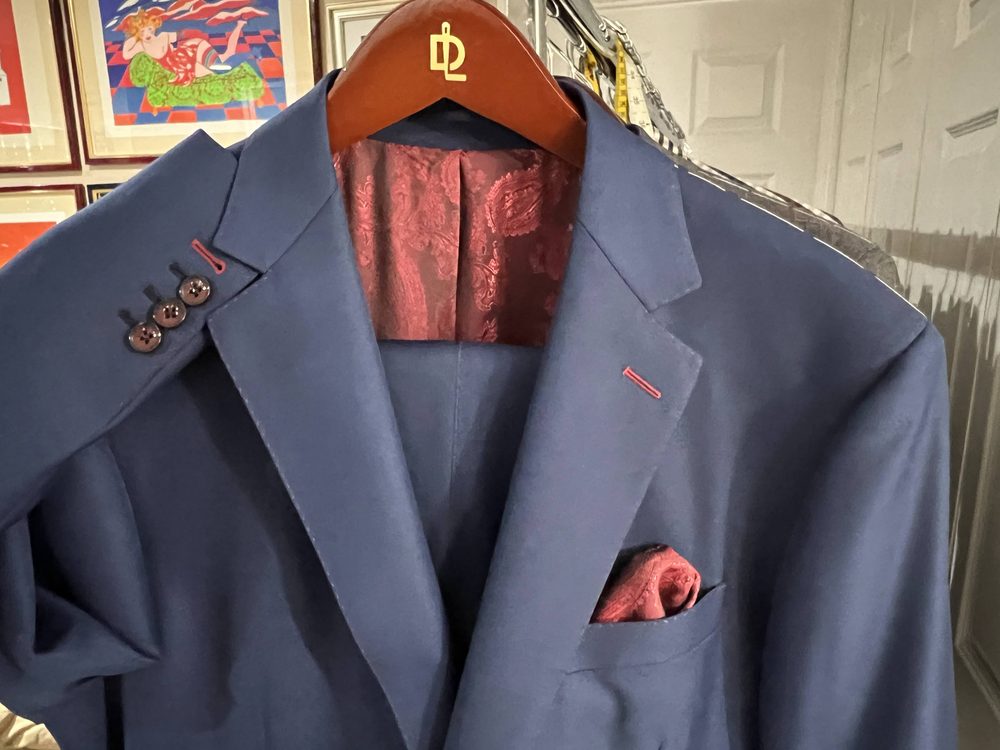
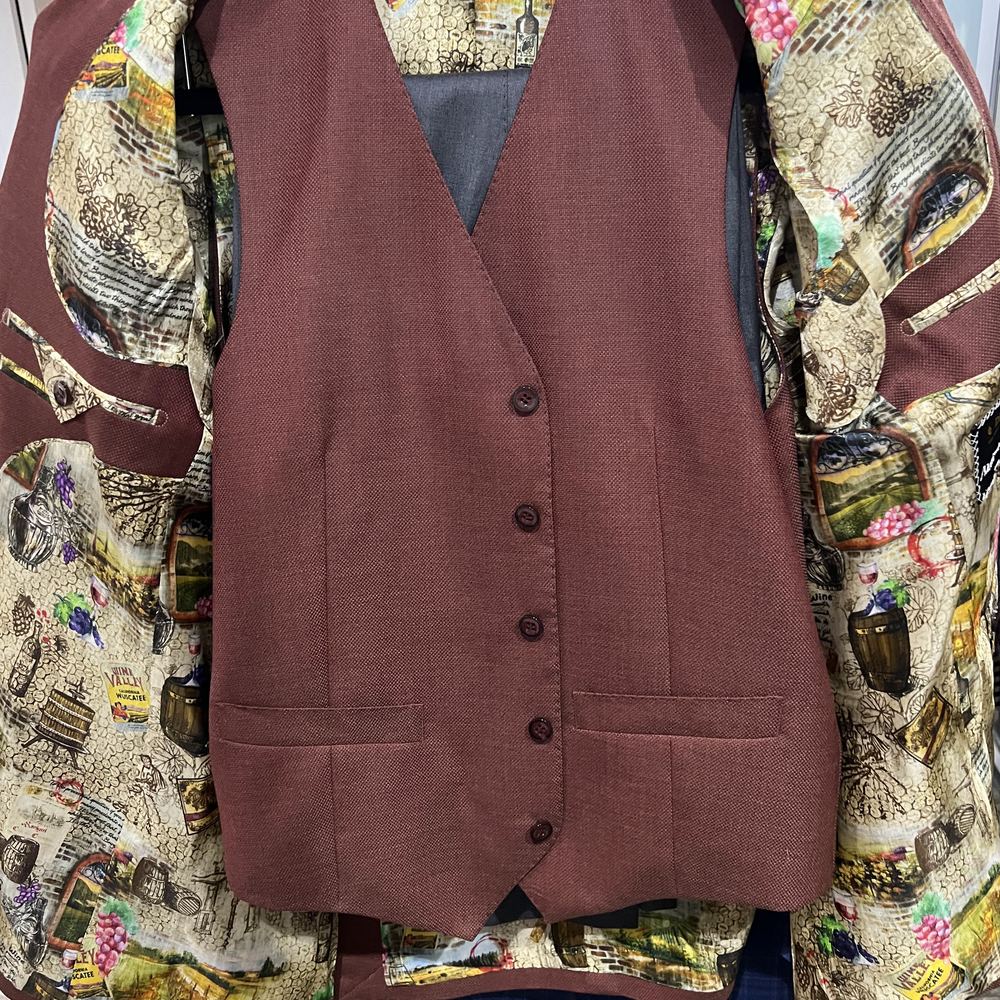
This is the dress code where a pocket square, an interesting tie or a lining that shows when your jacket opens can do a lot.
Semi-formal
Semi-formal usually means a suit, with a tie optional depending on the time of day. For an evening event, wear a darker suit and a tie. For a daytime event, a lighter suit is fine, and in a relaxed setting you can drop the tie.
Dressy casual and business casual
Dressy casual and business casual mean no suit is required, but no jeans and T-shirt either. A sport coat with trousers and a collared shirt is ideal; a tie is optional. Our guide to sport coats covers how to wear one.
Daytime versus evening
Traditionally, black tie is evening wear, for events that start around six o'clock or later. A daytime wedding that asks for formal attire usually means a dark suit rather than a tuxedo. The later the event and the more formal the venue, the darker and more formal you should go. If a daytime event specifically asks for black tie, follow the invitation.
Codes you'll see in Texas
Hosts sometimes write their own dress codes, such as "Texas formal" or "festive attire". These don't have fixed meanings. Treat them as a hint about the mood and use the formality of the venue and the time of day to decide. When in doubt, ask the hosts. It's a normal question, and it's better than guessing.
Dressing for a Dallas event
Many Dallas weddings and events mean time outdoors in the heat before moving inside. Whatever the dress code, a lighter cloth that still looks formal is worth it. Our guide to suit fabric for Texas heat explains what to look for, and white or ivory dinner jackets are a classic answer for summer black tie.
If you're in the wedding party
The groomsmen should match the formality the couple has chosen, and so should the groom. Our guide to whether the groom should match the groomsmen covers the options, and our wedding suits page covers timing and planning. We recommend starting at least 12 weeks before the wedding, so there's time for alterations.
Have the right outfit ready
Our custom suits and tuxedos start at $1,895, cut from a new pattern made for you, with two fittings. Bring the invitation or the dress code to your consultation, plus the shoes and shirt you plan to wear, and Dominic can help you plan the whole outfit, including the bow tie, studs and cufflinks. Book a private consultation, or call or text (972) 970-2024.