Journal · · By Di Lorenzo Custom Apparel
The best suit fabric for Texas heat
A Dallas summer regularly pushes past 100 degrees, and plenty of weddings, interviews and client meetings don't move indoors just because it's hot. The right cloth won't make a suit feel like shorts, but it can be the difference between a jacket you can live in and one you want off before you've left the parking lot. Here's what to look for.
Start with natural fibers, especially wool
Wool is usually the best choice for a suit in the heat, which surprises people. Good wool breathes, handles moisture well and recovers from creases. A lightweight wool suit is far more comfortable than a polyester one of the same weight, because polyester traps heat and doesn't breathe. If a suit feels clammy after twenty minutes outside, synthetic fibers are often why.
Cotton and linen are natural fibers too, and both have a place. More on them below.
Weight matters more than anything else
Cloth weight is measured in grams per meter (or ounces per yard), and it's the single biggest factor in how warm a suit feels. As a rough guide:
- Under about 250gm: lightweight, summer cloth.
- About 250 to 290gm: light to mid-weight, a good year-round choice for Dallas, where we spend so much time moving between heat and air conditioning.
- Over about 300gm: mid to heavy, better for winter or a suit you'll mostly wear indoors.
To give real examples from cloth we order: Holland & Sherry's Eco-Traveller is 230gm and its Summer Ascot is 280gm, while its Target and Bespoke #31 cloths are 310gm. You can see them on our Holland & Sherry page.
Then look at the weave
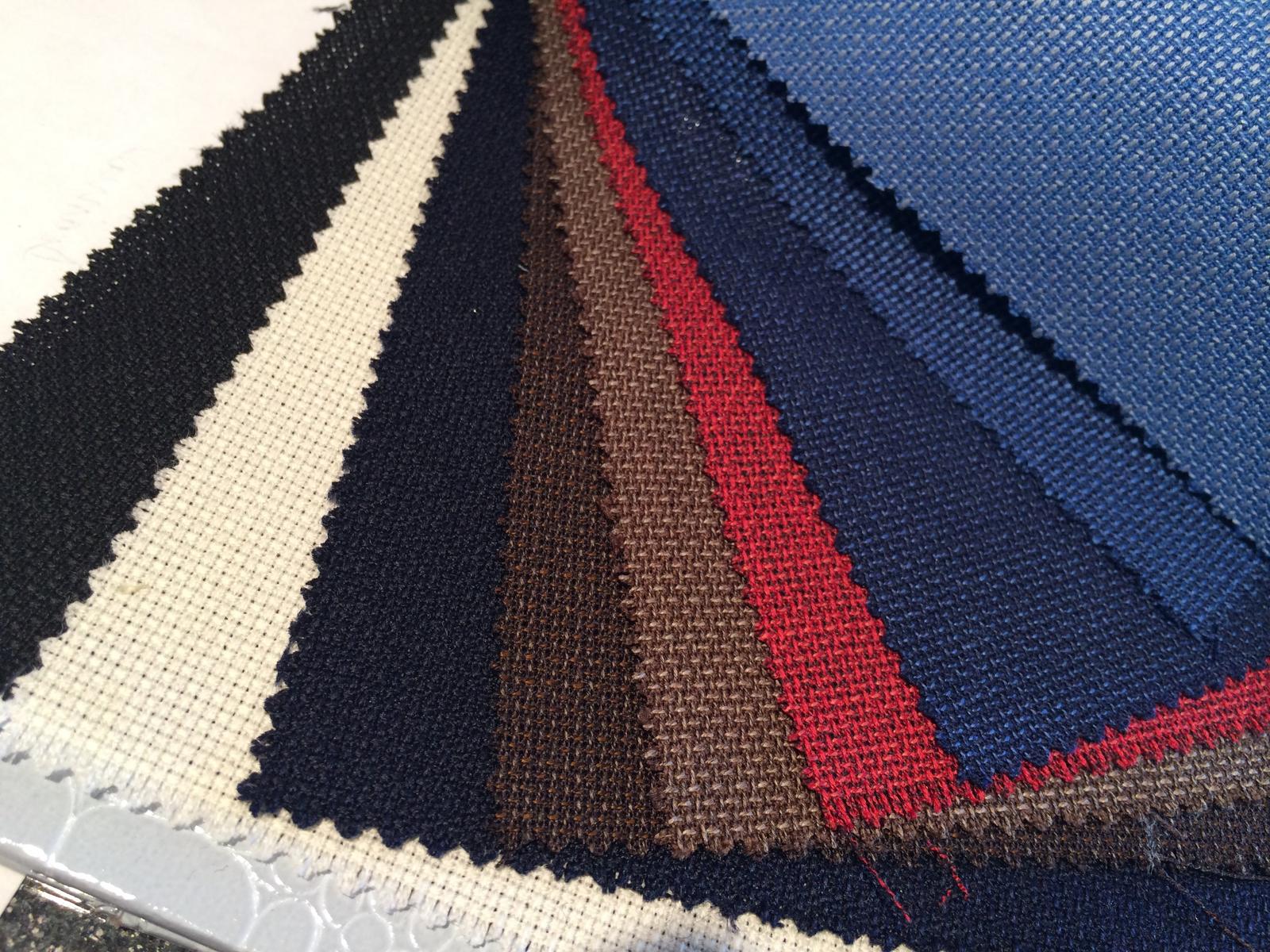
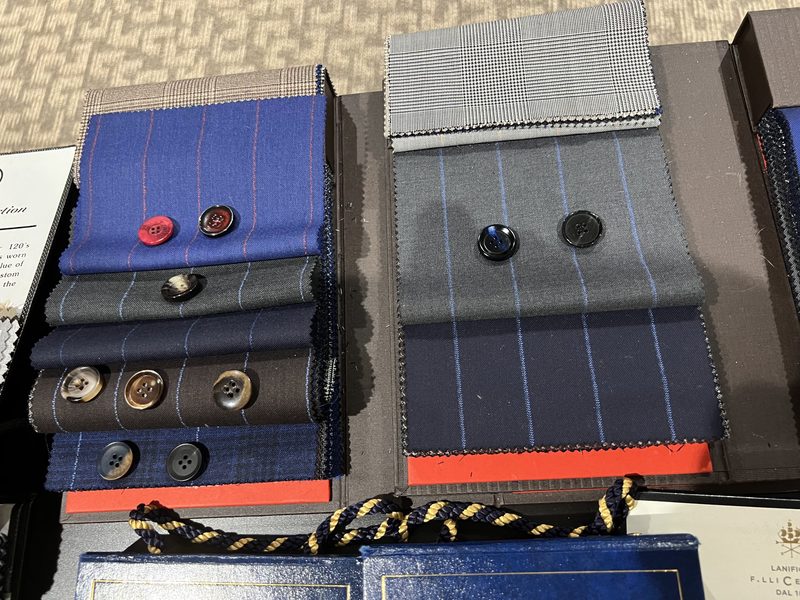
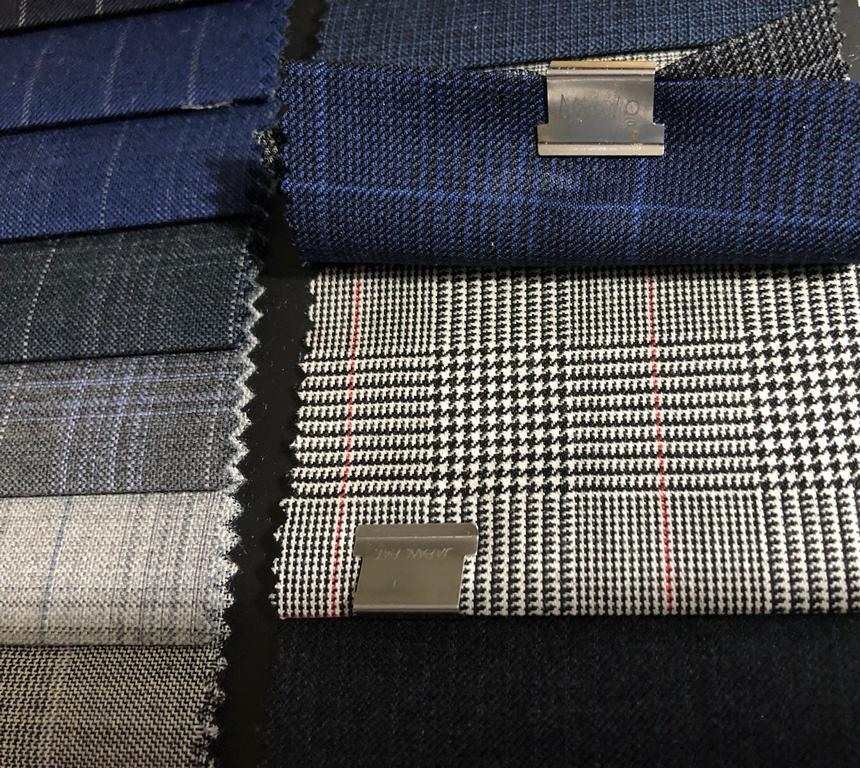
Two cloths of the same weight can feel very different because of how they're woven. An open weave, where you can almost see light through the cloth when you hold it up, lets air move through the suit. Tightly woven, dense cloths hold warmth. When you're comparing swatches, hold them up to the light and feel how airy they are, not just how soft.
Cloths with a little natural or comfort stretch are also worth a look. They move with you on a long day, which helps when you're getting in and out of a car in July.
Don't chase the highest Super number
A finer wool (a higher Super number, like Super 150s) feels softer, but it isn't automatically cooler, and very fine cloths can crease more on a humid day. Weight and weave matter more for heat. Our guide to Super 120s vs Super 150s explains what the numbers mean.
Linen: cool, with conditions
Linen is very breathable and has a relaxed, summery look. The trade-off is that it wrinkles quickly and easily, and those creases are part of its character. It's lovely for a daytime outdoor wedding, a garden party or a relaxed summer event. It's less suited to a boardroom or a suit you need to look sharp in after hours of sitting.
Wool and linen blends offer a middle ground: some of linen's coolness and texture with more of wool's recovery. Holland & Sherry's Matrimony collection, for example, includes wool and linen blends at a lighter weight for weddings.
Cotton
Cotton suits are breathable and comfortable, with a more casual look than worsted wool. They crease more than wool and are better for relaxed daytime events than formal ones.
Color helps too
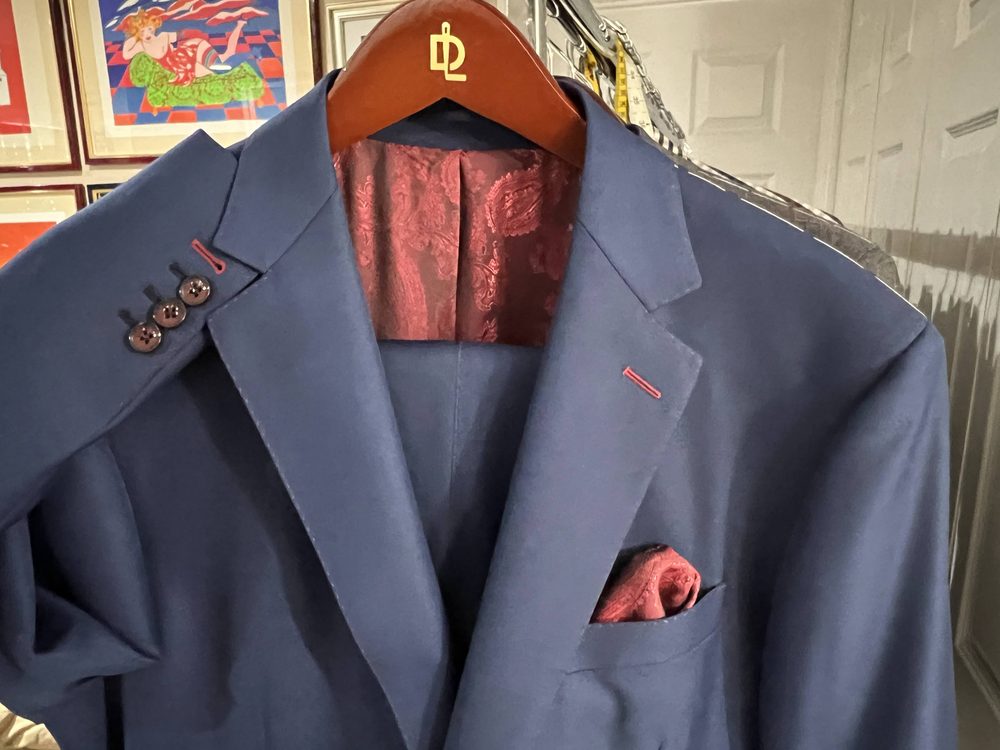
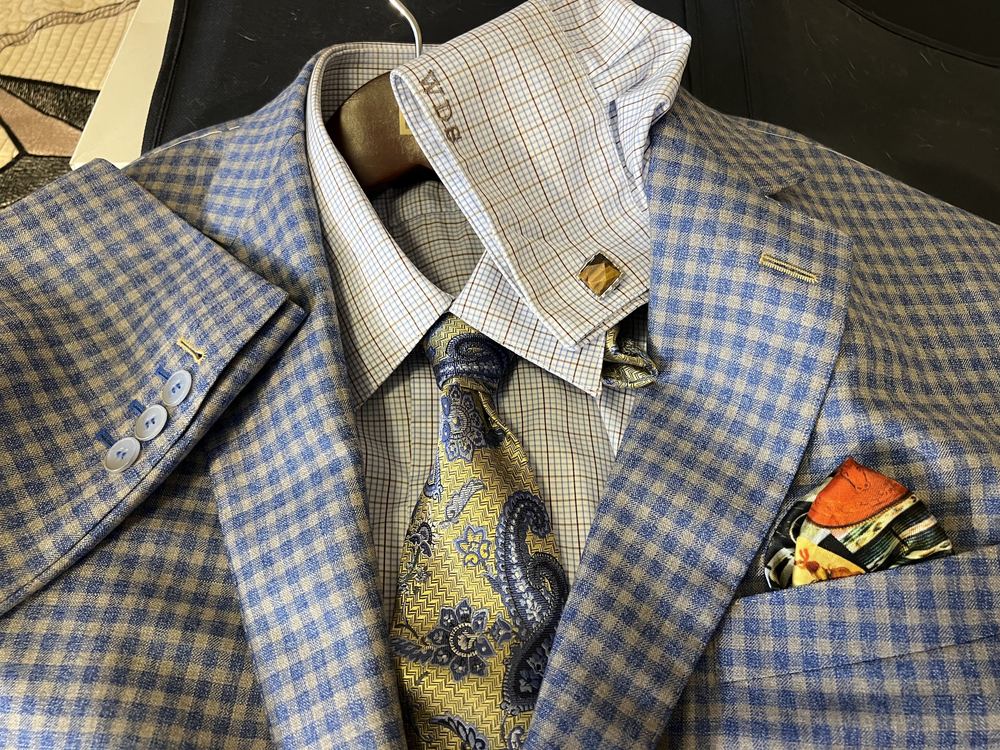
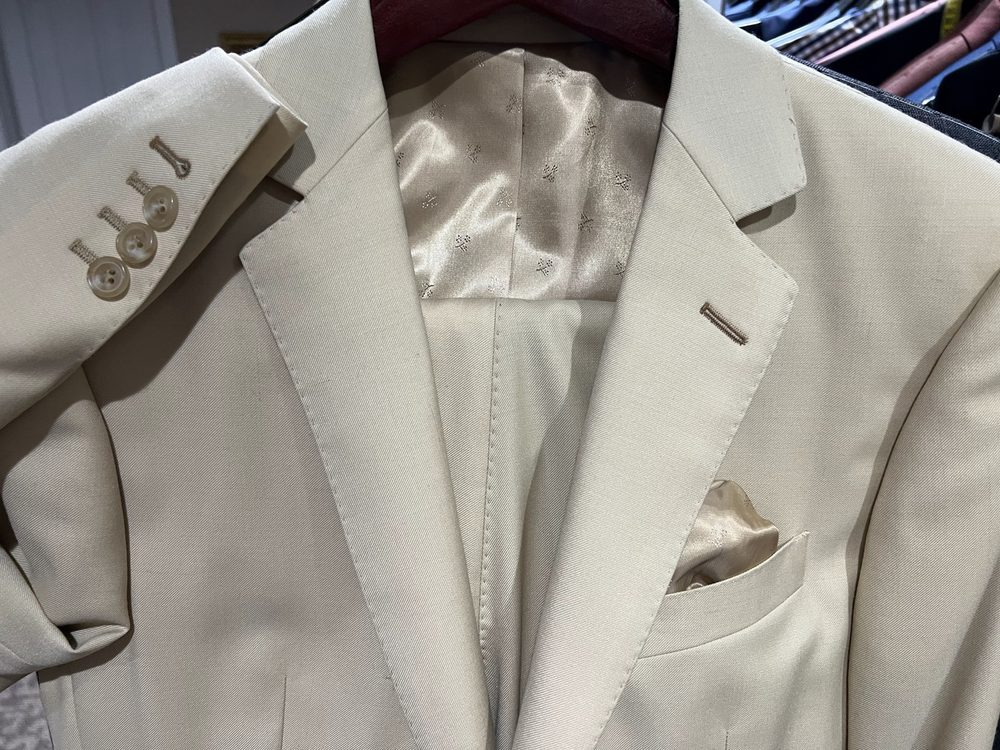
Lighter colors such as light grey, tan, stone and lighter blues reflect more sunlight than navy and charcoal, and they look right in daylight. For a summer wedding outdoors, they are often the better choice. If you need one suit that does everything, a mid-grey or a lighter navy in a lightweight wool is a sensible compromise.
A summer wedding in Dallas
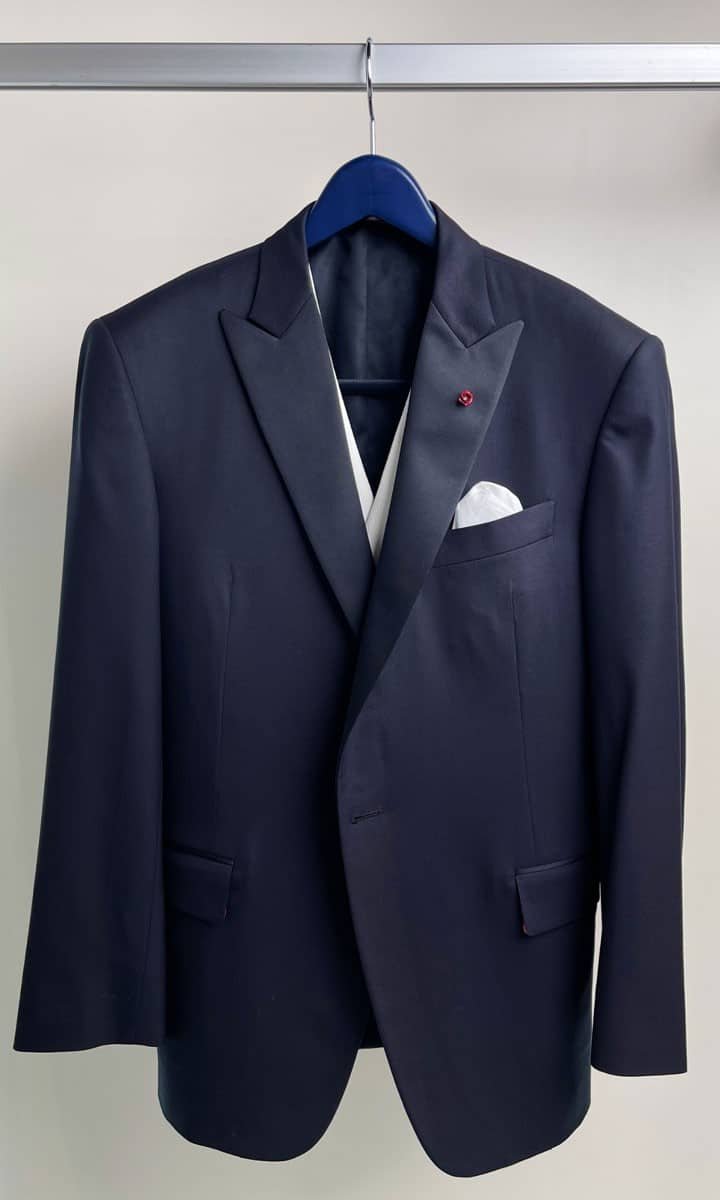
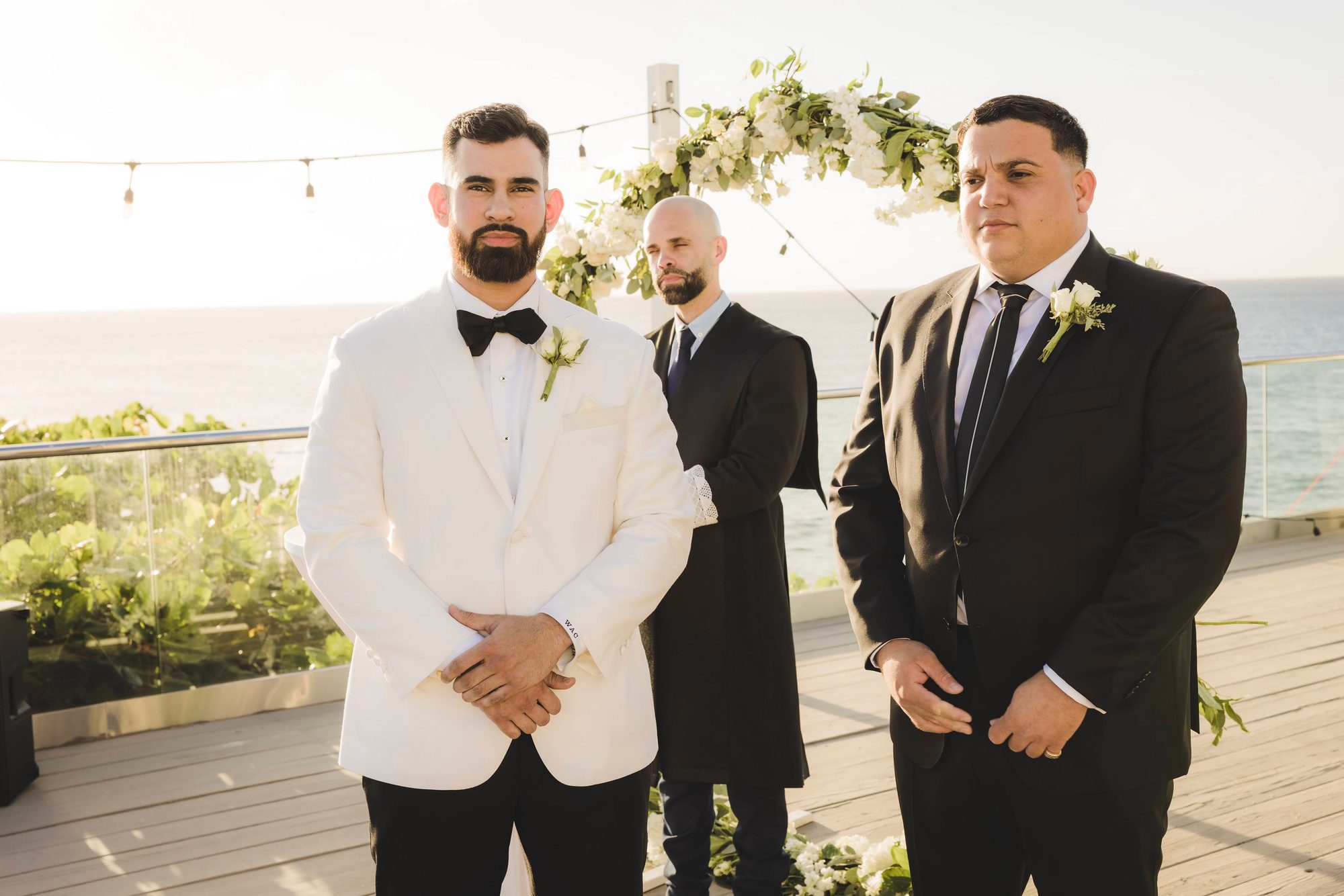
For an outdoor ceremony followed by an indoor reception, think about both settings when choosing cloth. You may spend an hour in direct sun for photos and then four hours in air conditioning. A lighter wool that looks smart in both is usually better than the lightest possible cloth. For black tie, a white or ivory dinner jacket is a traditional warm-weather choice; see our guide to custom tuxedos.
Planning a wedding suit? We recommend starting at least 12 weeks before the wedding, so there's time for alterations. The wedding suits page covers the rest.
Small things that keep you cooler
- Fit. A suit that fits allows air to move. A tight suit traps heat against your body; a baggy one bunches. See how a suit should fit.
- The shirt. A breathable cotton shirt in a lighter weave helps as much as the suit. Our custom dress shirts start at $255.
- Rest the suit. Give a suit a day off between wears so moisture can dry out of the cloth, and hang it on a sturdy, shaped hanger.
Choose it in person
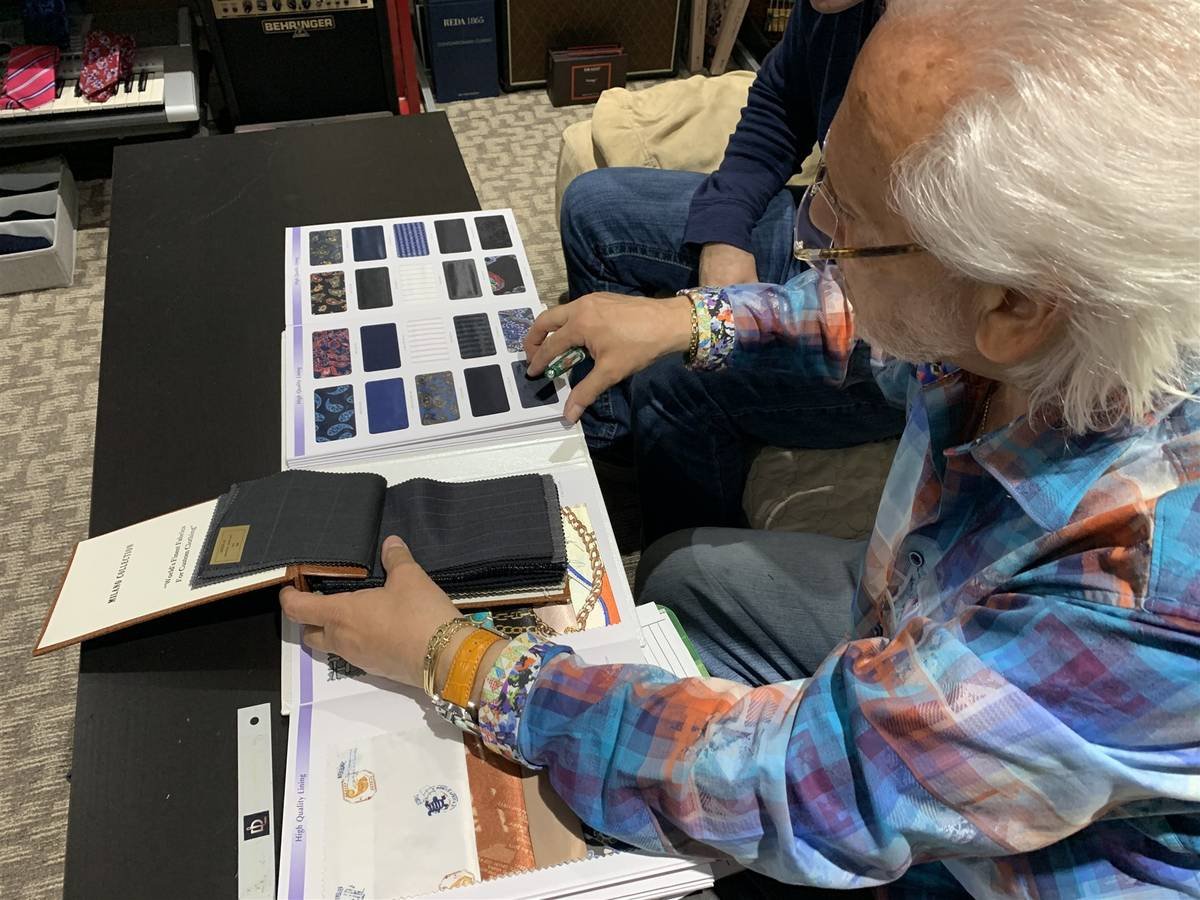
Photos can't tell you how airy a cloth feels or how it recovers when you scrunch it. At your private consultation, tell Dominic how much time you'll spend outdoors and how much in air conditioning, and he'll help you compare the weight and weave as well as the color. For Dallas summers, he'll steer you toward lighter wool. Book a time or call or text (972) 970-2024.