Journal · · By Di Lorenzo Custom Apparel
Super 100s, 120s, 150s: what wool numbers really mean
When you open a cloth book, many wools carry a number: Super 100s, Super 120s, Super 150s, sometimes Super 180s or higher. People often assume the biggest number is the best choice. It isn't always. Here is what the numbers actually measure, and how to use them to pick a cloth you'll be happy wearing.
What the "Super" number measures
The Super number describes how fine the wool fibers are, measured as their average diameter in microns (thousandths of a millimeter). The finer the fiber, the higher the number. Roughly:
- Super 100s: about 18.75 microns
- Super 120s: about 17.75 microns
- Super 150s: about 16.25 microns
- Super 180s: about 14.75 microns
The labels follow an international wool trade standard, and reputable mills stick to it. Each step up in number means a slightly finer fiber.
What finer wool feels like
Finer fibers can be spun into finer yarns, which makes a cloth that feels softer and smoother, with a gentle sheen and a fluid drape. Pick up a Super 150s next to a Super 100s and you'll feel the difference immediately. Higher numbers also tend to cost more, because fine wool is rarer.
The trade-off: softness versus toughness
Very fine wool is more delicate. It can crease more readily, show wear sooner at the elbows and seat, and develop shine with heavy use and frequent pressing. A Super 180s is a beautiful cloth for a suit you wear for occasions. It's not necessarily the best choice for a suit you'll wear three days a week through a Dallas summer and fold into a carry-on.
A Super 100s to 130s is usually the sweet spot for a hard-working suit: soft enough to feel good, sturdy enough to recover from a long day. Higher numbers make sense for weddings, special occasions or someone who rotates several suits.
The Super number isn't the whole story
Two cloths with the same Super number can feel and wear very differently. A few things matter as much or more:
- Weight. Measured in grams per meter (or ounces per yard), weight has more to do with warmth than the Super number does. Lighter cloths wear cooler. On our Holland & Sherry page, for example, Eco-Traveller is 230gm and Summer Ascot is 280gm, while Target and Bespoke #31 are 310gm.
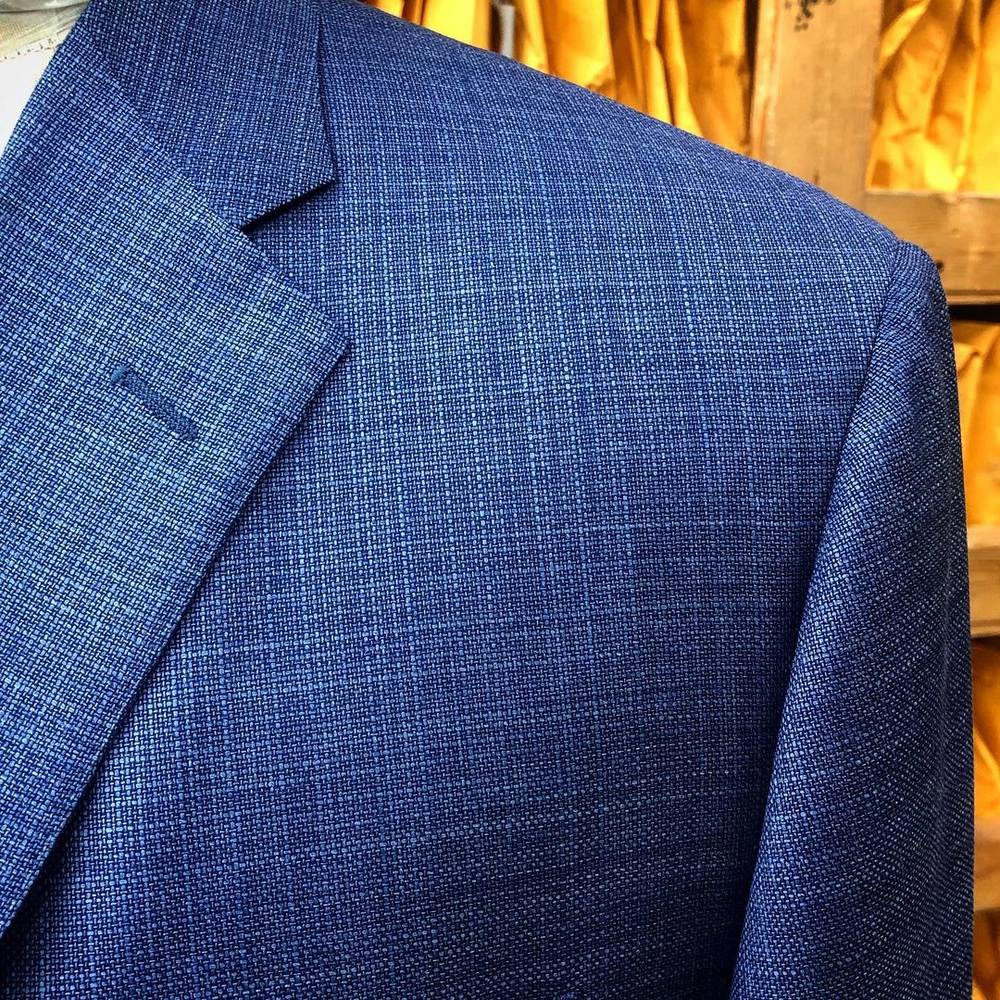
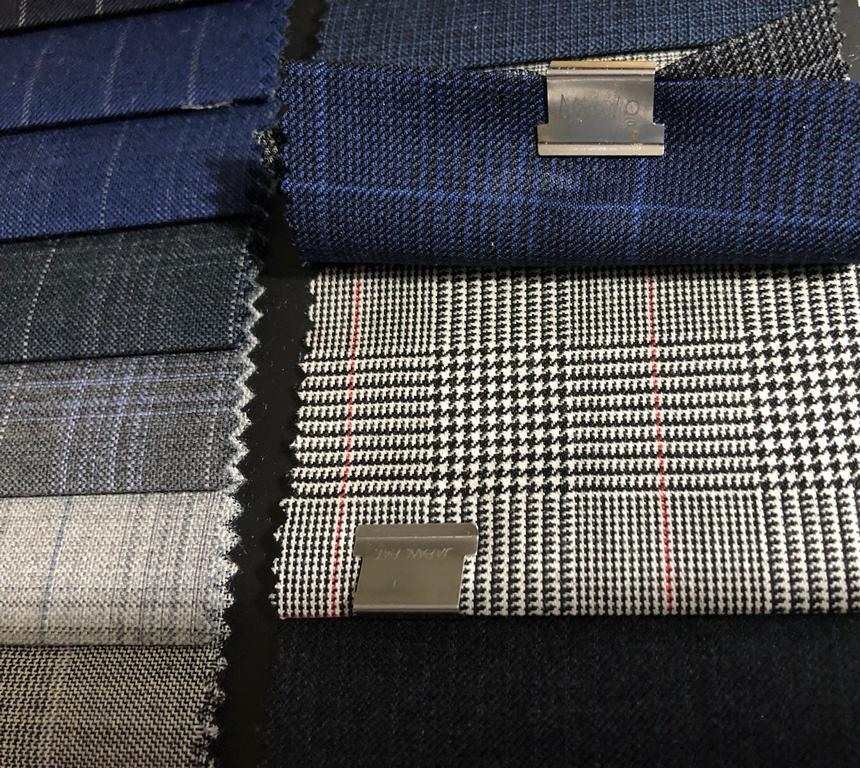
- Weave. An open weave lets air through; a tight, dense weave holds warmth and resists wrinkles. Twists and textured weaves can make a fine wool more resilient.
- The mill. How a mill selects, spins, weaves and finishes its wool shows up in how the cloth handles and ages. That's why the name on the selvedge matters.
- Blends. Wool with a touch of stretch, silk, linen or mohair behaves differently from pure wool, with more give, more sheen or more breathability.
Our guide to the best suit fabric for Texas heat goes deeper on weight and weave.
How to choose for how you'll wear it
Instead of starting from the Super number, start from the suit's job.
- Everyday work suit: a durable wool around Super 100s to 130s, in a mid-weight that suits the season. It will recover from long days and frequent wear.
- Travel suit: a resilient, lighter cloth, often with a little natural or comfort stretch, that sheds wrinkles when it's hung up.
- Wedding or occasion suit: this is where a finer Super 150s or above can shine, with the softness and drape you'll feel all day and see in photos.
- Dallas summer: focus on a lighter weight and a more open weave first; the Super number comes second.
Three tests you can do with a swatch
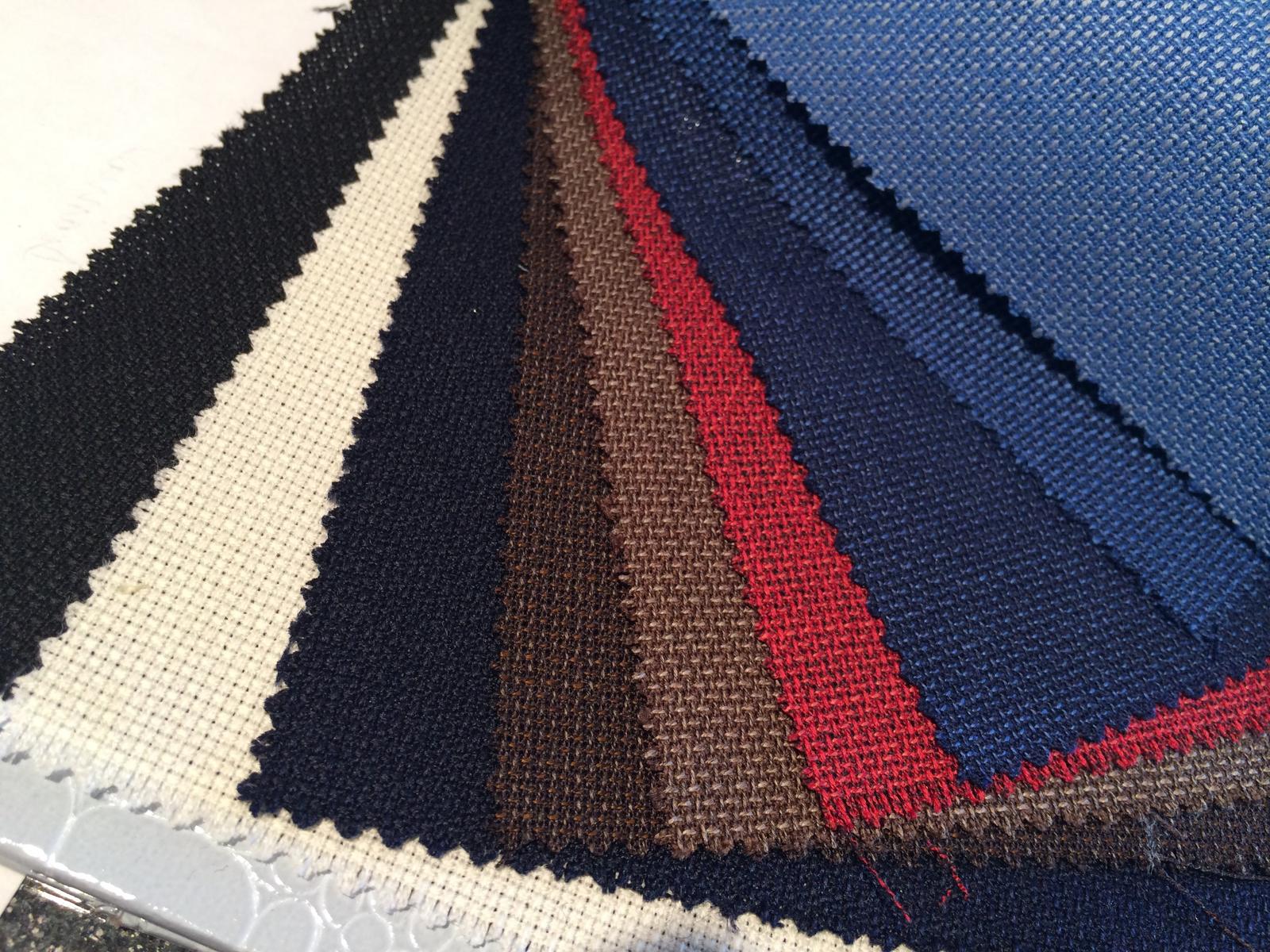
- Scrunch it. Squeeze a corner of the cloth in your fist for a few seconds and let go. A good wool springs back with few creases; a weaker one stays wrinkled.
- Hold it to the light. You'll see how open or dense the weave is, which tells you more about warmth than the label.
- Let it hang. Drape the swatch over your hand and watch how it falls. Finer, better-finished cloths hang in soft folds rather than stiff angles.
The cloth we work with
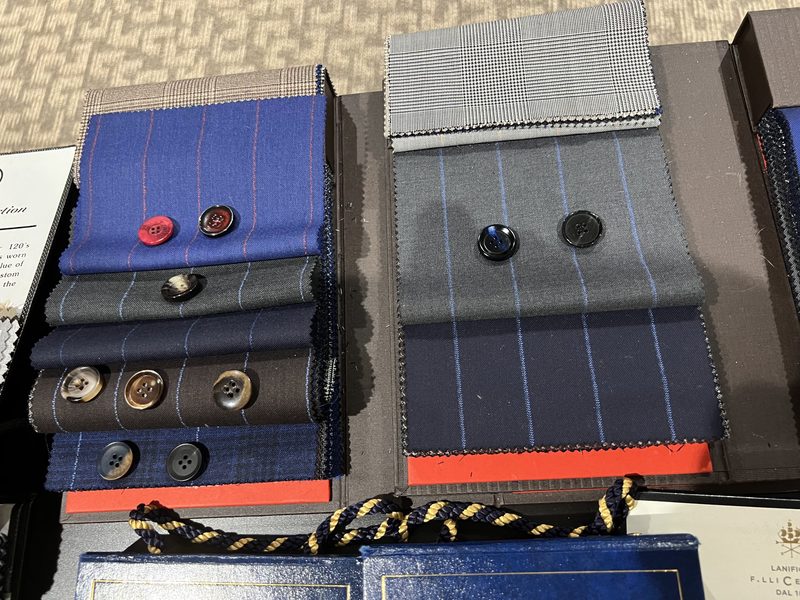
We buy cloth from Italian mills (Loro Piana, Drago, Lanificio di Marzoni, Dino Filarte), Holland & Sherry of England, Gladson of New York, Dormeuil of France and Scabal of Belgium, as well as the fabric merchant Rosenthal. For weddings, the books include Super 150s to Super 180s wools. For a first work suit, a more forgiving cloth is usually the better choice.
The cloth is also what moves the price of a custom suit the most. Our suits start at $1,895; suits in Holland & Sherry cloth start at $2,995. Dominic gives you the exact figure before anything is made. Here's what changes the price.
Feel it before you decide
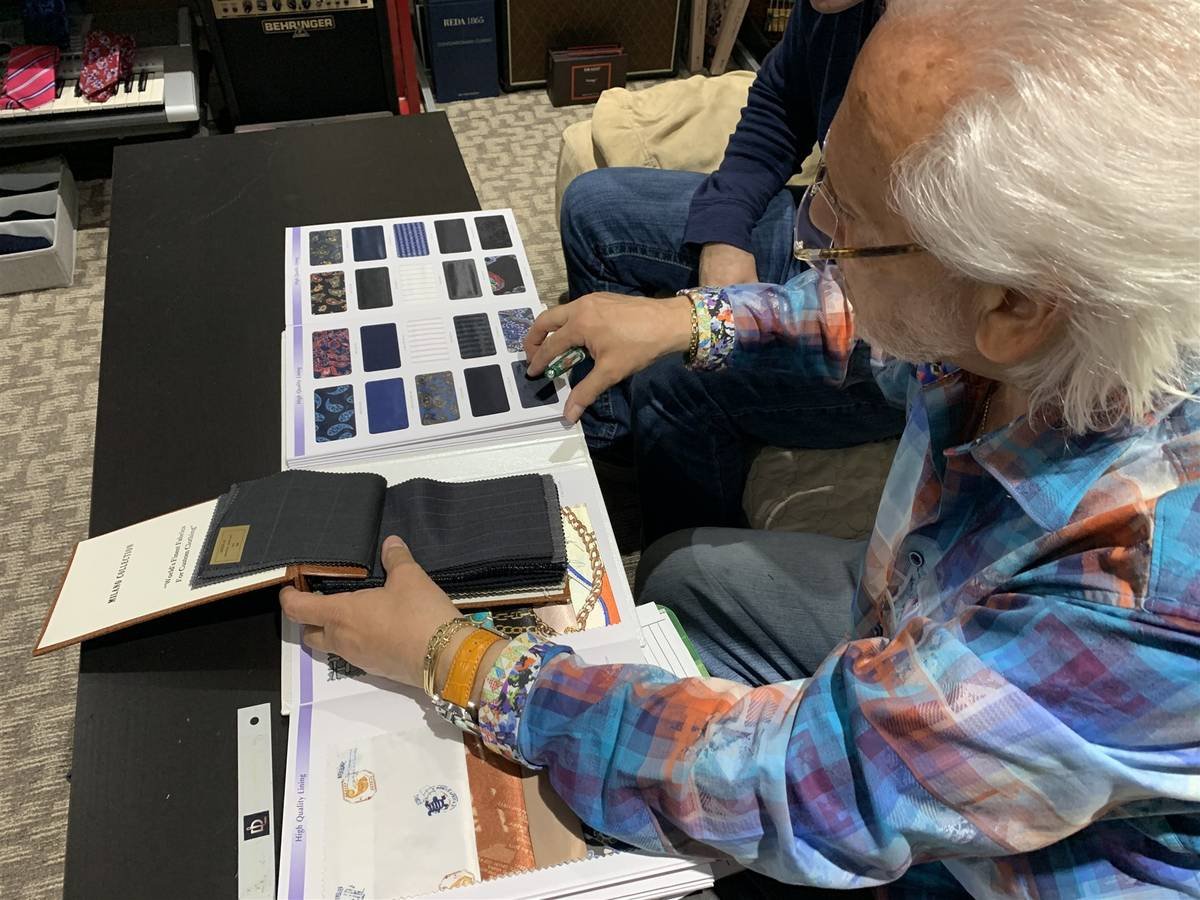
The best way to understand the difference between a Super 110s and a Super 160s is to hold them side by side, scrunch them in your hand and see how they recover. Photos can't show that. At your private consultation, Dominic puts the books in front of you and helps you choose the weight, weave and color for how you'll actually wear the suit. Book your private consultation or call or text (972) 970-2024.