Journal · · By Di Lorenzo Custom Apparel
How to tell if a suit is really bespoke, and how well it's made
To tell whether a suit is really bespoke, ask how its pattern is made and how it's fitted while it's being made. A bespoke suit starts from a new pattern drafted from your measurements; a made-to-measure suit adjusts a pattern that already exists. The canvas, buttonholes, lapel roll and pattern matching tell you how well a suit is made, but none of them alone proves it's bespoke, since a good made-to-measure suit can be fully canvassed too. Here are eight checks and questions to use when you compare shops, starting with the one that matters most.
1. Ask how the pattern is made and how you're fitted
This is the real test. Ask whether a new pattern is drafted for you or an existing one is adjusted to your numbers. Both are honest answers, but they cost different amounts, so you want to know which one you're paying for. Then ask what happens at each appointment. At Di Lorenzo, our tailor, Enzo, records 27 measurements for a three-piece suit, plus your posture and shoulder slope. A new pattern is drafted from those. You come in twice: the first fitting, where you're measured and choose the cloth and details, and the final fitting when your suit arrives, when anything that isn't perfect is adjusted before you take it home.
The next five checks are about construction. They separate a well-made suit from a cheap one, bespoke or not.
2. Pinch the front of the jacket
Take the jacket front just below the top button and pinch the cloth gently. In a fully canvassed jacket you can feel a third layer floating between the outer cloth and the lining. In a fused jacket the layers feel glued into one stiff piece. Canvas lets the chest settle to your shape over time, while fusing can bubble after dry cleaning. Every bespoke suit we make is fully canvassed, and our guide to full canvas, half canvas and fused suits goes deeper.
3. Look at the back of a buttonhole
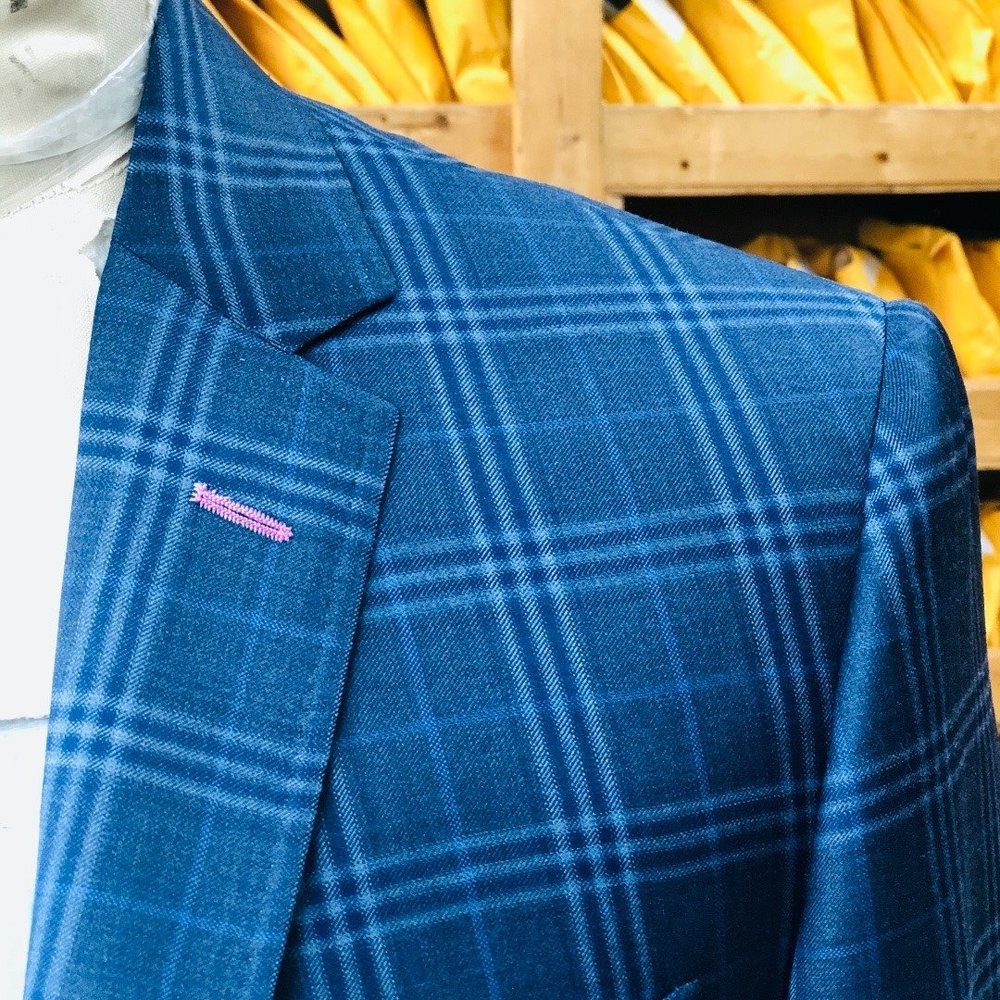
Turn the front edge over and look at a buttonhole from behind. A handmade buttonhole has tightly packed stitches around a raised edge, slightly irregular the way handwork always is. A machine buttonhole is perfectly even and flat. Handmade buttonholes take time, so they're one of the clearest signs of how much handwork went into the rest of the jacket. Ours are made by hand.
4. Watch how the lapel rolls
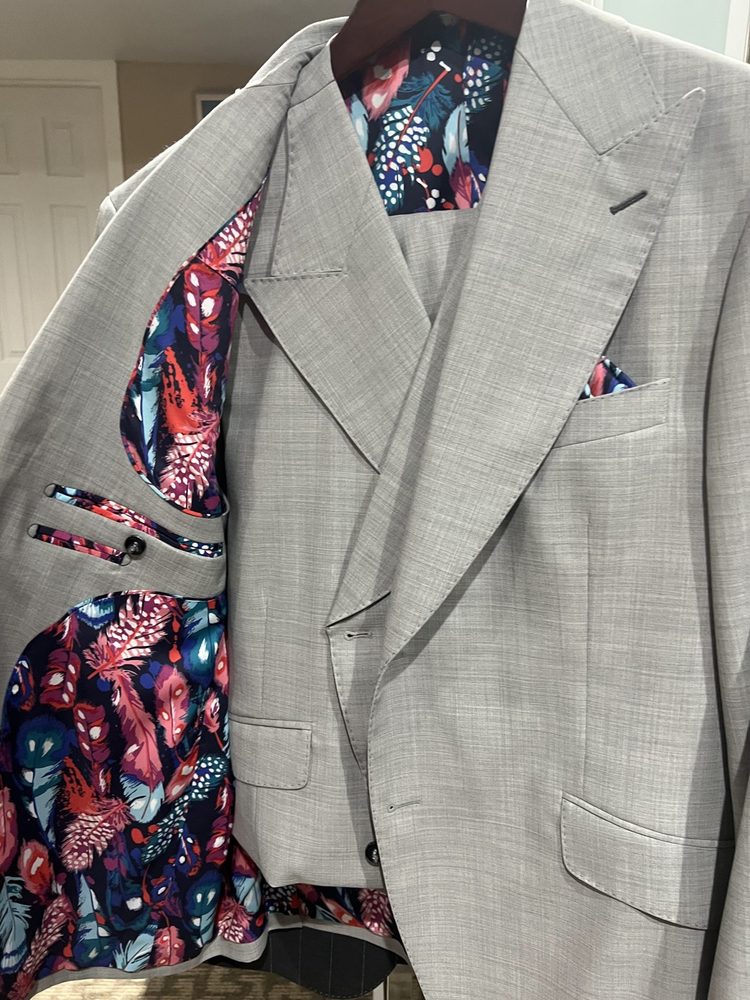
Hang the jacket and let the lapel fall naturally. A hand-padded lapel rolls in a soft curve toward the top button instead of lying flat as if it had been pressed into place. Our lapels are padded by hand.
5. Check the sleeve buttons
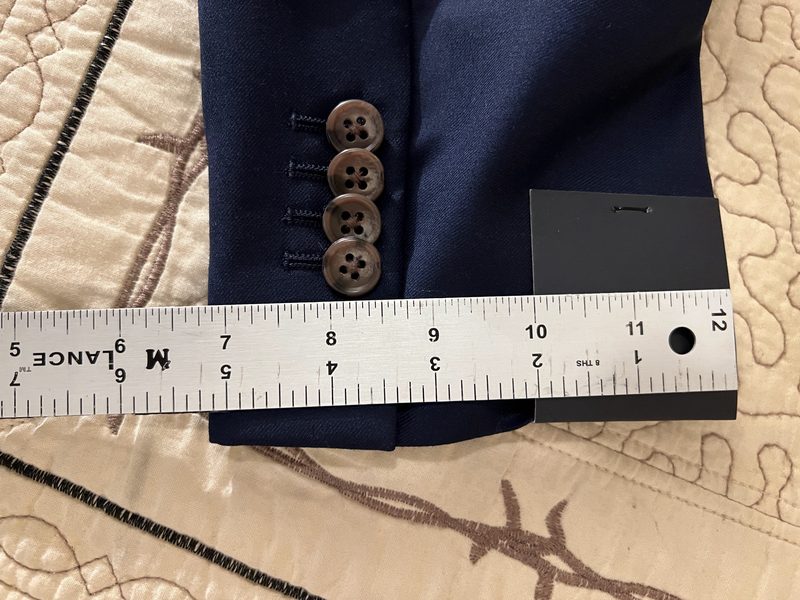
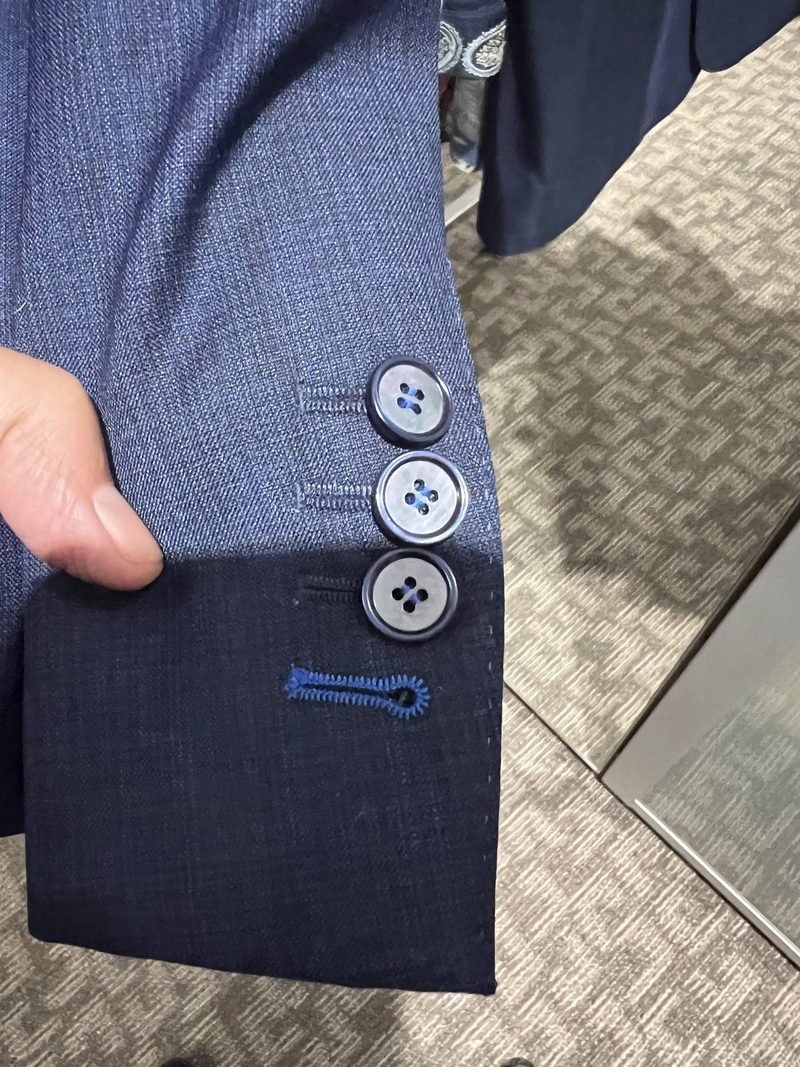
Working sleeve buttonholes, sometimes called surgeon's cuffs, actually open and close. A maker has to plan for them from the start, because the sleeve length has to be right before the buttonholes are cut. On our suits they're one of the details you can choose, and like every customization, they're included in the price.
6. Follow the pattern across the seams
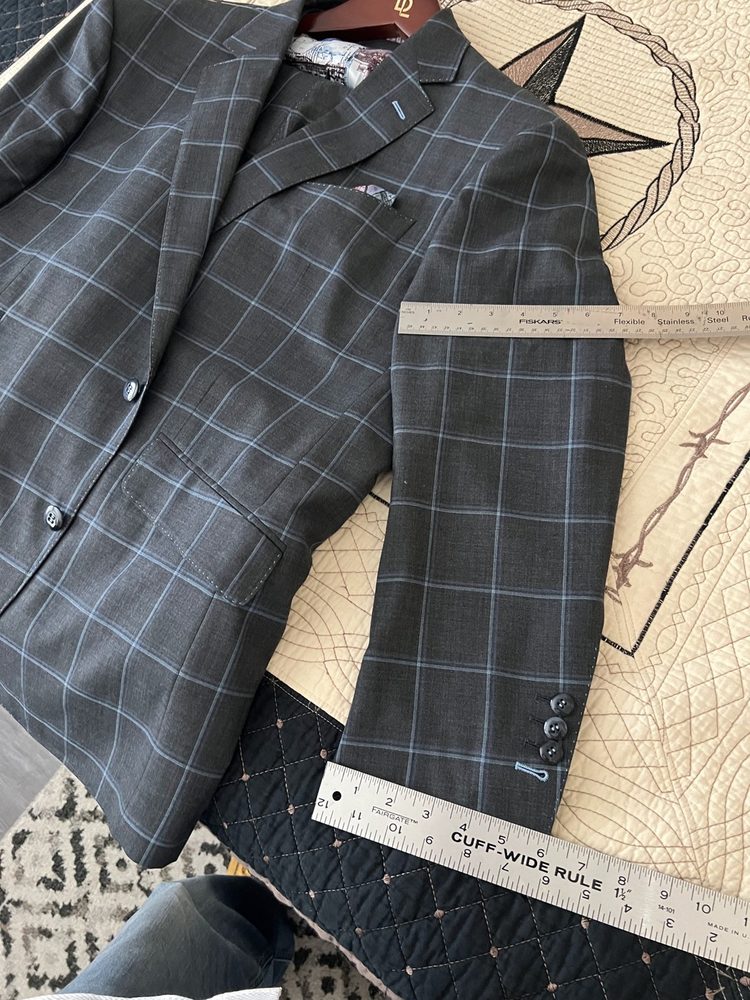
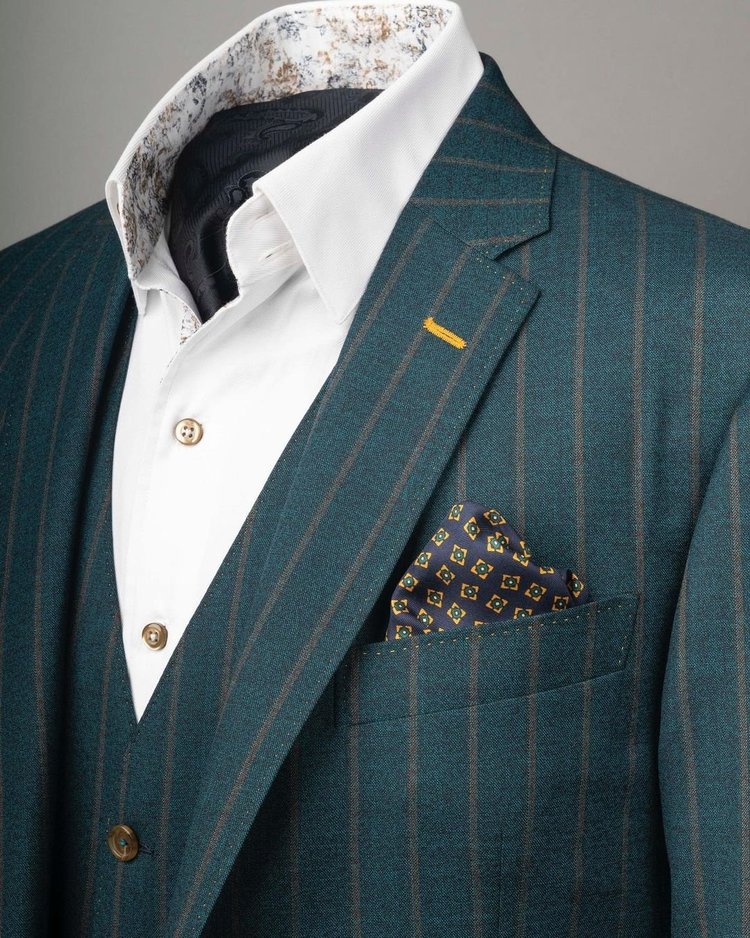
On a striped or checked cloth, follow a line from the back of the jacket over the shoulder seam, from a pocket flap into the body and from the collar into the back. On a carefully cut suit the pattern meets. It takes more cloth and more care, which is exactly why it makes a useful test. Our suits are pattern matched.
7. Ask to see the cloth books
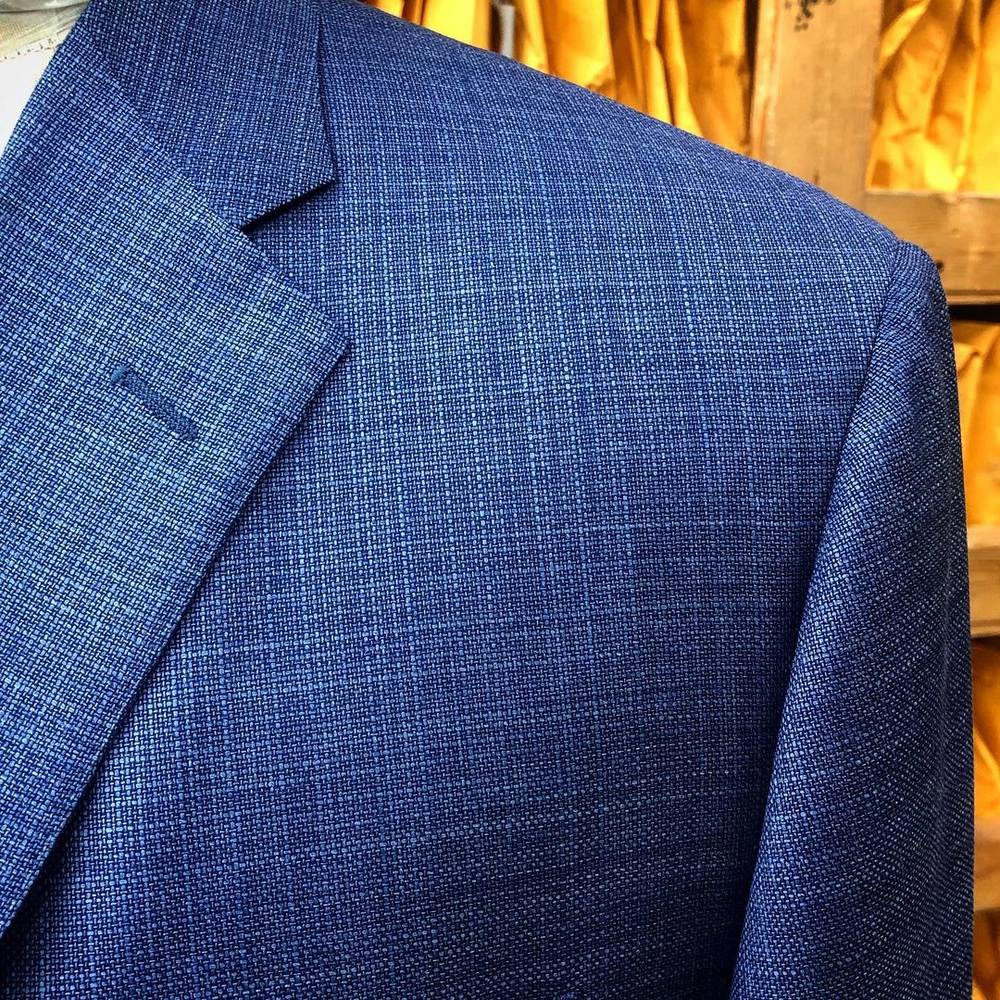
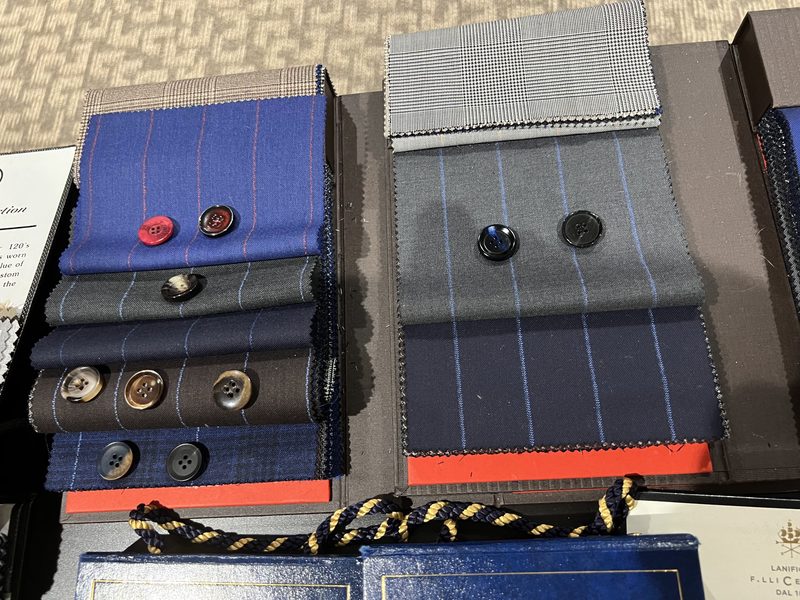
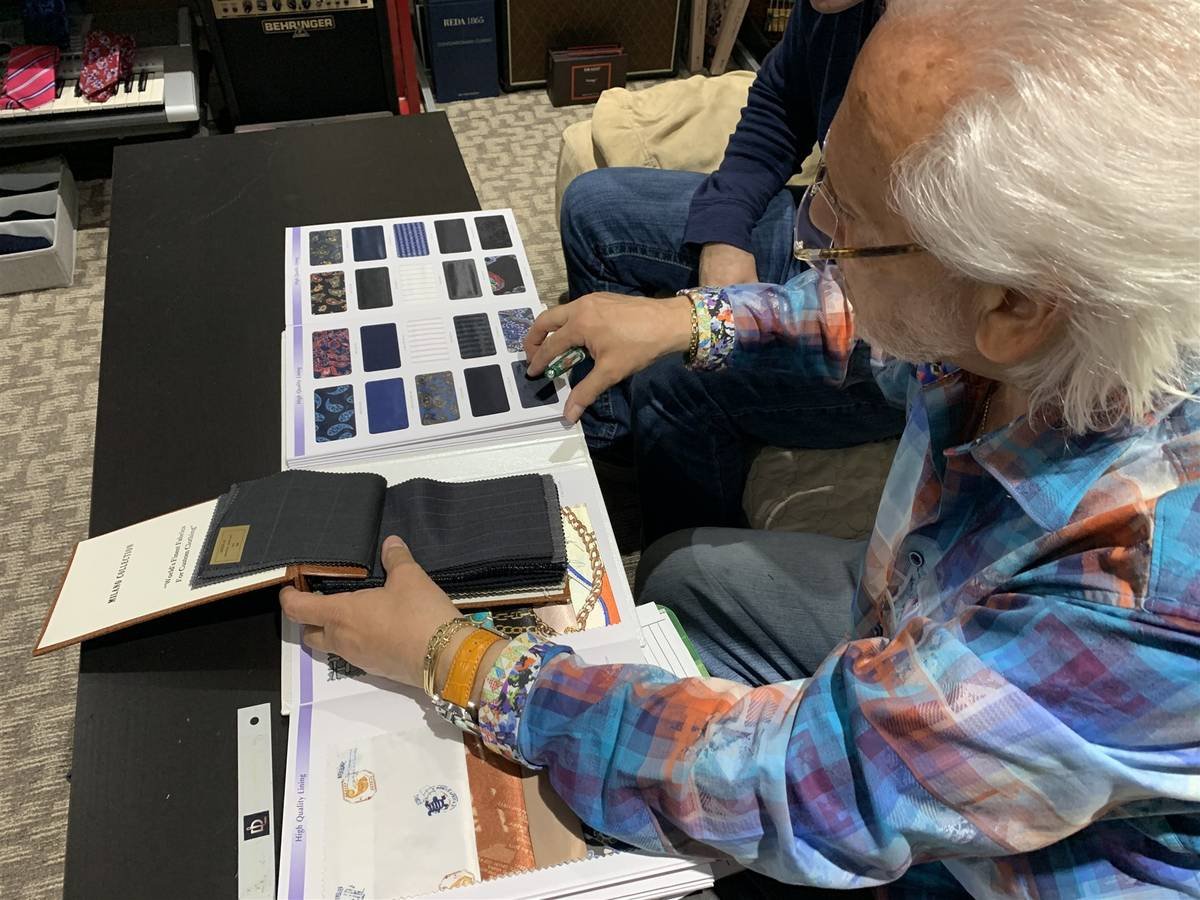
A shop with a real cloth library will put the books in front of you, from mills such as Loro Piana, Drago, Holland & Sherry, Dormeuil and Scabal, and cloth houses such as Gladson (its Voyager book, for example), with the weight and composition of each cloth. Ask how a cloth will wear in a Dallas summer and how often you plan to wear the suit. A good answer is specific. For a head start, read our guide to the best suit fabric for Texas heat.
8. Ask where it's made and what happens if it doesn't fit
"Custom" says nothing about where the cutting and sewing happen, so ask. Ours are made by our third-generation Italian tailoring shop in New York, not in our Dallas showroom. Then ask what happens if something isn't right when the suit arrives. Our answer: Every garment is made for one person. When your suit arrives, if anything isn't perfect, we adjust it before you take it home, and any more adjustments are on us for 30 days.
What a real bespoke suit costs in Dallas
Expect bespoke to cost more than made to measure, because the pattern, the canvas and the handwork all take time. Our bespoke suits in Dallas start at $1,895, and the cloth sets most of the final price. Our price guide explains what moves it.
Bring this list to your consultation
Take these checks to any shop you visit, ours included. At a private consultation at our showroom near the Galleria, Dominic can show you suits we've made for other clients, so you can run every check yourself, and he'll go through the cloth books with you. Still choosing between shops? Read how Dallas custom suit shops compare.