Journal · · By Di Lorenzo Custom Apparel
Full canvas vs half canvas vs fused: what's inside your suit
Two suits can look almost identical on a hanger and wear completely differently after a year. The reason is usually inside the jacket, in a layer you never see: the canvas, or the glue standing in for it. If you are comparing suits at different prices, this is one of the most useful things to understand.
What the canvas does
A suit jacket isn't just the outer cloth and a lining. Between them sits an inner structure that gives the chest its shape, helps the lapel roll and keeps the front of the jacket from collapsing or wrinkling. Traditionally that structure is a canvas, typically made with wool and horsehair, stitched in by hand or machine and left to float between the layers. Over time it moves with you and settles to your shape.
There are three common ways to build that structure.
Fused: glued interlining
Most mass-produced suits are fused. Instead of a floating canvas, a synthetic interlining is glued (heat-bonded) to the inside of the outer fabric. It's fast and cheap to make, and it can look crisp on day one.
The trade-offs show up later. Fused fronts tend to feel stiffer and breathe less, which matters in Dallas. The lapel tends to lie flat rather than roll. And with heat, steam and repeated dry cleaning, the glue can fail, leaving bubbles or a rippled look on the chest and lapels. Once that happens, there's not much a tailor can do.
Half canvas: canvas in the chest only
A half-canvas jacket has a floating canvas in the upper chest and lapels, and a fused interlining below it. You get a better lapel roll and more shape in the chest than a fully fused jacket, at a lower cost than full canvas. It's a common middle ground in good ready-to-wear and many made-to-measure programs.
Full canvas: from the shoulders to the hem
In a full-canvas jacket, the canvas runs from the shoulders all the way down the front of the jacket. Nothing is glued. The whole front can drape, breathe and mold to your body as you wear it, and the jacket keeps its shape over years rather than seasons.
Every bespoke suit we make is fully canvassed. A full canvas takes more material and more handwork to build, which is part of what you pay for in a better suit.
How to tell the difference yourself
You can't always trust the label, but you can test a jacket in the shop.
- The pinch test. Pinch the front of the jacket a few inches below the buttonhole and gently pull the layers apart. In a canvassed area you can feel a separate, floating third layer between the outer fabric and the lining. In a fused area, the outer fabric and interlining move as one stiff layer.
- Check the lapel. A canvassed lapel rolls softly from the collar to the top button. A fused lapel tends to lie flat, as if it was pressed.
- Look for bubbling. On older fused jackets, small bubbles or puckers on the chest and lapels are the glue giving way.
- Ask directly. A good shop will tell you exactly how its jackets are built. If the answer is vague, assume fused.
Does canvas matter if you only wear a suit occasionally?
It matters less, but it still matters. A suit you wear a few times a year will last a long time either way, and a well-made half-canvas jacket can serve you well. Where full canvas pays off is in how the jacket drapes and moves, how it breathes in warm weather and how it holds up to years of wear and pressing. If you're buying one suit to wear often, it's worth it.
Construction is only part of the picture
Canvas is one of three things that separate a better suit from a cheaper one. The other two are the cloth and the handwork.
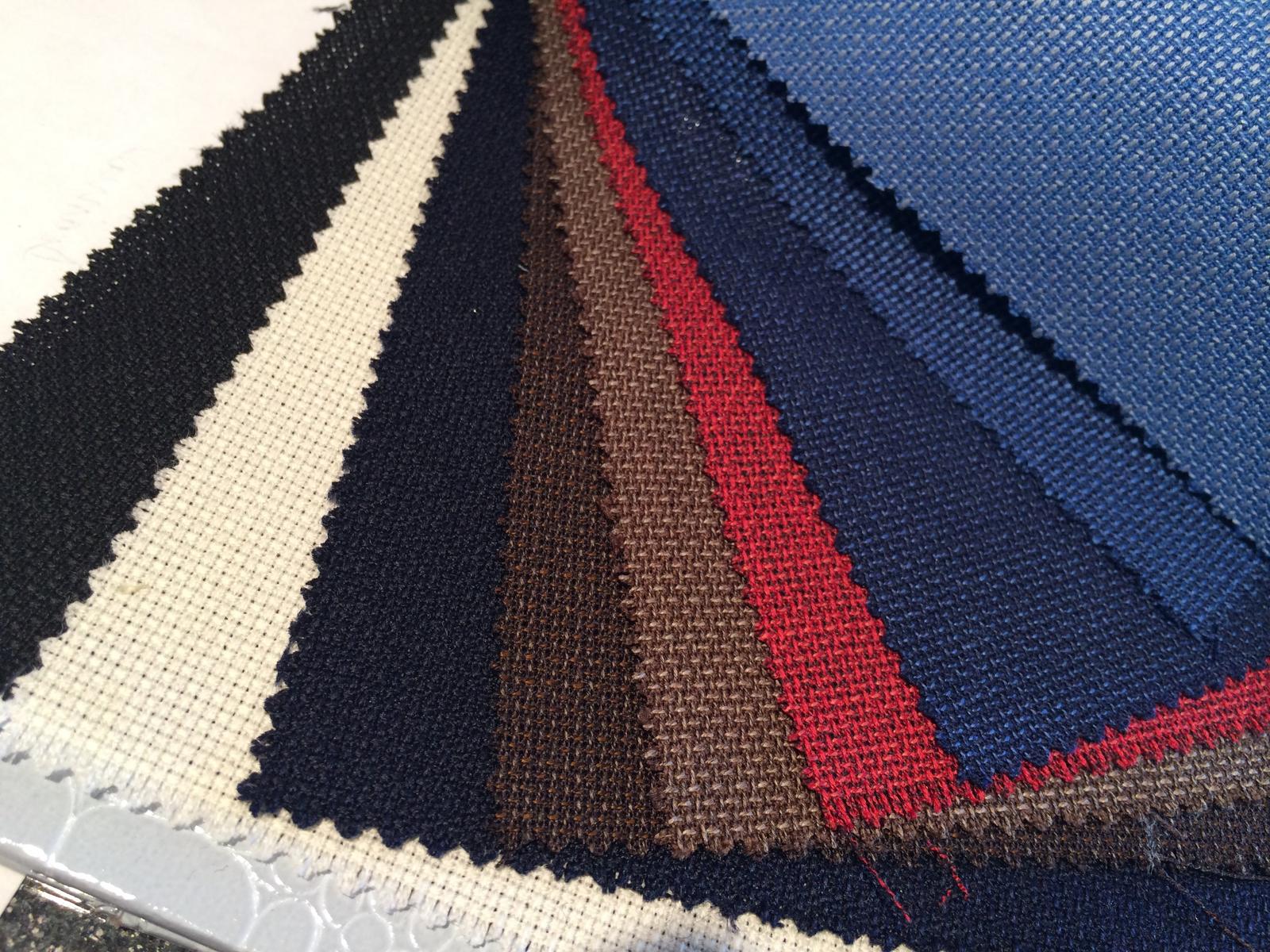
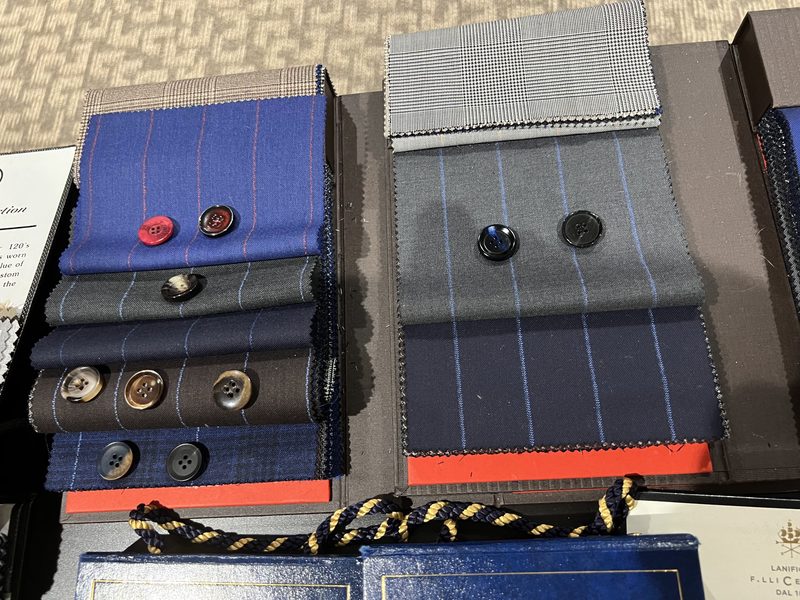
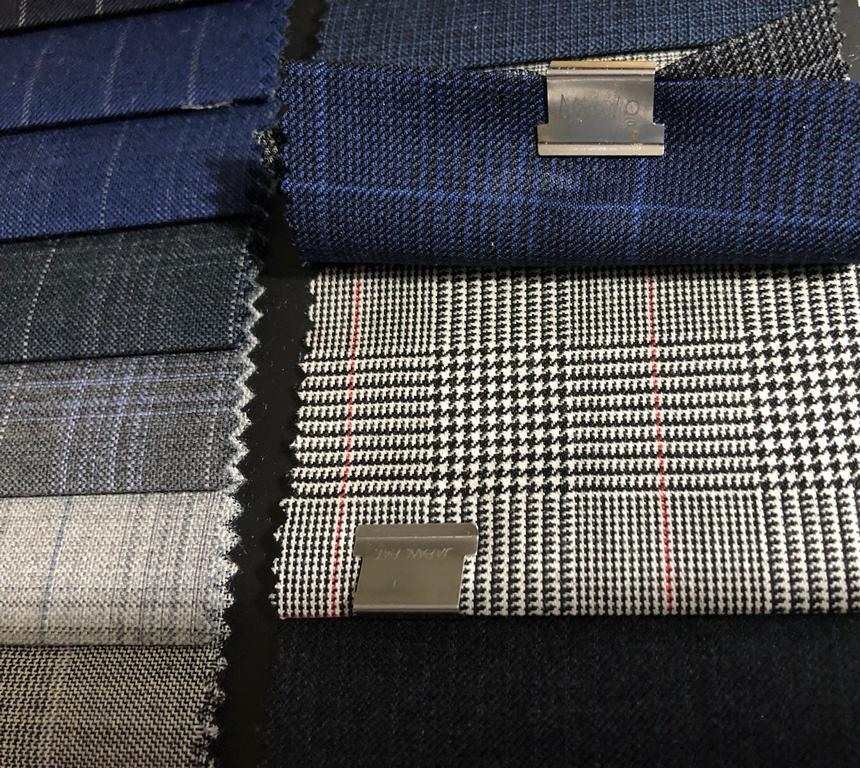
Cheaper suits generally use entry-level wool that can feel stiff or look shiny. We use premium European fabrics from mills such as Loro Piana and Holland & Sherry, which have a richer feel and better drape. A simple test: scrunch the sleeve into a ball. A cheap suit wrinkles right away; a good cloth takes real effort to crease. Our guide to what Super 120s and Super 150s mean explains how to read wool labels.
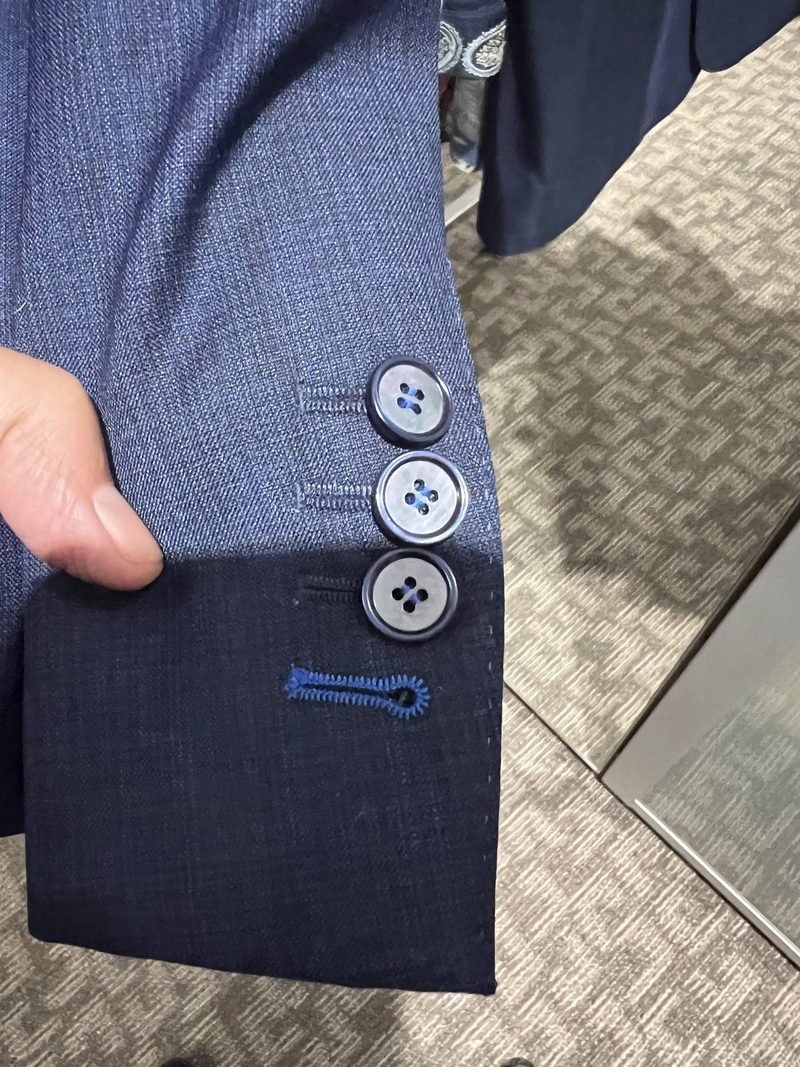
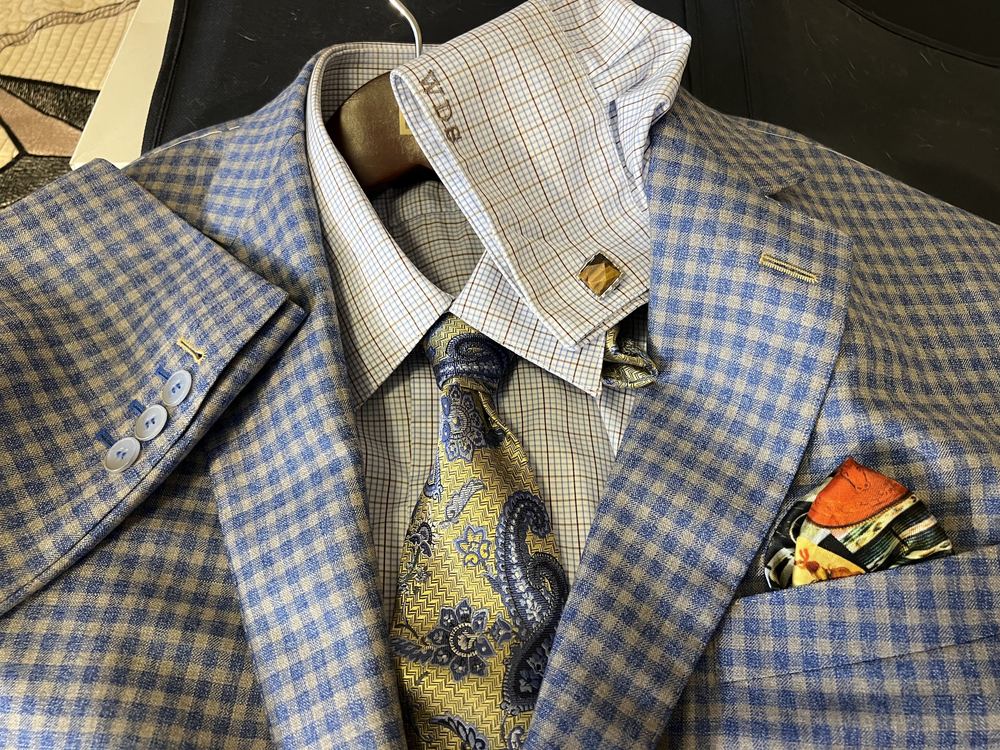
Then there's the handwork. Our men's suits are made mostly by hand at our third-generation Italian tailoring shop in New York, every one fully canvassed, with lapels padded by hand and handmade buttonholes and stitching. Cheaper suits are machine-stitched in a factory from stock patterns.
What this means when you compare quotes
When you compare a custom suit with a cheaper one, compare like with like. (Our post on custom vs off the rack covers the basics.) Ask how the jacket is built (fused, half canvas or full canvas), what cloth the quote covers and whether the pattern is new or adjusted from a stock one. Our page on what a custom suit costs in Dallas lists the questions worth asking.
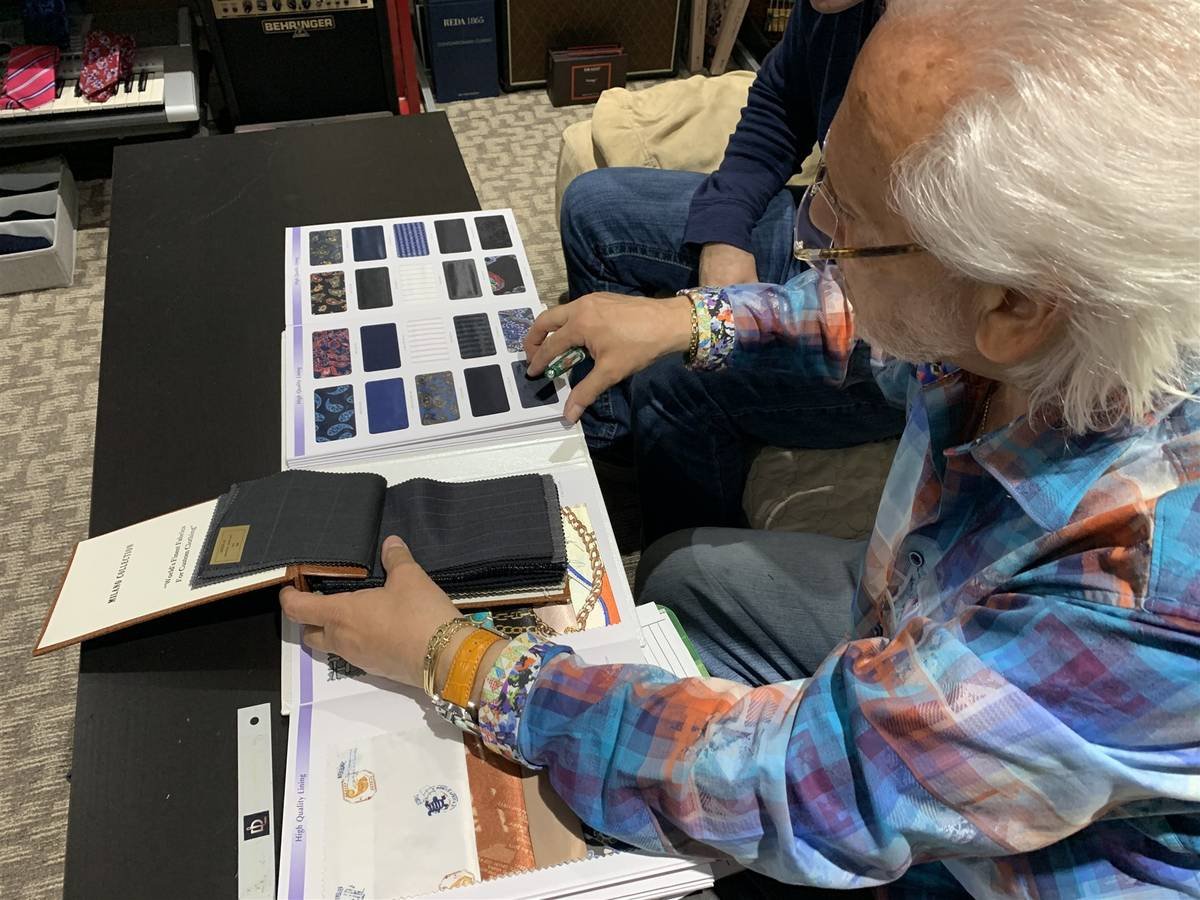
If you want to feel the difference, come in. We'll show you the cloth and talk you through how your suit will be built. Book a private consultation or call or text (972) 970-2024.